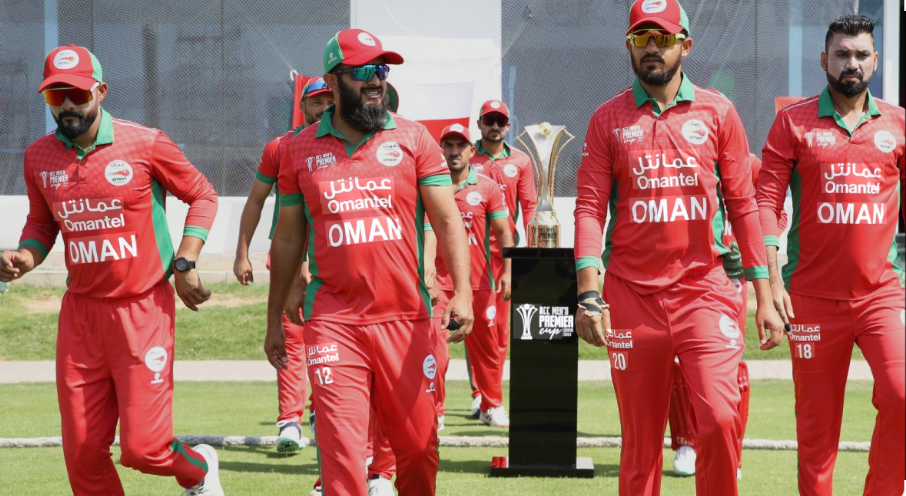
The cricketing journey between these two Associate nations reflects determination, growth, and rising competitive spirit on the international stage. From their earliest encounters in ICC tournaments to high pressure qualifier clashes, both teams have steadily built a rivalry shaped by close finishes and tactical battles. Each match has carried importance, not just for results but for progress in global cricket rankings and recognition. The contests have often highlighted contrasting playing styles, one focused on structured control and the other on aggressive intent. Over time, these games have produced memorable performances, emotional turning points, and evolving strategies that define modern Associate cricket competition.
Latest Matches
Date
Format
Tournament Series
Winner
Margin
Location
10 Apr 2026
ODI
ICC CWC League 2
Namibia
1 wicket
Windhoek
04 Apr 2026
ODI
ICC CWC League 2
Oman
3 wickets
Windhoek
16 Feb 2025
ODI
ICC CWC League 2
Oman
2 wickets
Al Amerat
10 Feb 2025
ODI
ICC CWC League 2
Namibia
23 runs
Al Amerat
24 Jul 2024
ODI
ICC CWC League 2
Oman
4 wickets
Dundee
18 Jul 2024
ODI
ICC CWC League 2
Namibia
6 wickets
Dundee
All Time Head to Head Record
Format
Total Played
Oman Wins
Namibia Wins
Tied
No Result
ODI Matches
14
5
9
0
0
T20I Matches
6
2
4
0
0
Total Combined
20
7
13
0
0
All Time Batting Leaders
Player Name
Country
Matches
Innings
Total Runs
Highest Score
Batting Average
Gerhard Erasmus
Namibia
20
20
682
121
37.88
Aqib Ilyas
Oman
15
15
512
105
36.57
Jatinder Singh
Oman
18
18
465
118
25.83
Zeeshan Maqsood
Oman
19
18
448
58
26.35
JJ Smit
Namibia
16
14
388
93
32.33
Craig Williams
Namibia
8
8
311
129
38.87
Kashyap Prajapati
Oman
12
12
295
72
24.58
All Time Bowling Leaders
Player Name
Country
Matches
Innings
Wickets Taken
Best Bowling
Economy Rate
Bilal Khan
Oman
18
18
32
5 for 47
4.65
Bernard Scholtz
Namibia
20
20
29
5 for 22
3.54
Jan Frylinck
Namibia
17
16
25
5 for 13
4.32
Gerhard Erasmus
Namibia
20
17
21
3 for 26
4.12
Zeeshan Maqsood
Oman
19
18
19
4 for 15
4.28
Ruben Trumpelmann
Namibia
12
12
18
5 for 30
4.88
Kaleemullah
Oman
15
15
14
3 for 45
4.41
Early Foundations of Associate Rivalry
Cricketing ties between these two teams began during the rise of Associate nations gaining global attention. Both sides were building their identity in ICC tournaments, trying to establish consistency against stronger opposition. In the early phase, matches were closely contested with low scoring patterns and cautious gameplay. Neither team dominated completely, which created a sense of balance and unpredictability. Bowling units often dictated the pace, while batting struggled to convert starts into big totals. These early encounters shaped the foundation of competitiveness, where every run mattered and every wicket shifted momentum sharply. Over time, both sides learned from each other’s playing patterns, leading to improved preparation and tactical awareness. These early games were not just matches but learning experiences that built the foundation of a long competitive journey in international cricket.
Match Type
Year Range
Key Feature
Dominant Skill
Outcome Pattern
ICC Qualifiers
Early Phase
Defensive starts
Bowling control
Low margin results
League Stage
Early Phase
Tactical play
Spin bowling
Balanced contests
Warm-up Games
Early Phase
Experimentation
Batting depth
Mixed outcomes
Regional Cups
Early Phase
Team building
Fielding strength
Close finishes
First Encounters That Set the Tone
The initial meetings between these sides were crucial in shaping their competitive relationship. Both teams entered the field with caution, focusing heavily on building partnerships rather than aggressive scoring. Bowlers dominated the early exchanges, using disciplined lines and lengths to restrict run flow. Batters found it difficult to accelerate due to pressure created by consistent field placements. These matches often went down to the final overs, making them exciting yet tense for players and fans alike. The early scorecards reflected the similarity in strength, with neither side able to overpower the other completely. As these encounters progressed, small moments of brilliance began to decide outcomes, whether through a quick spell of wickets or a late batting surge. These matches laid the emotional groundwork for what would later become a highly competitive rivalry.
Phase
Venue Type
Batting Style
Bowling Impact
Match Result Style
Early Meetings
Neutral
Conservative
High control
Tight finishes
First ICC Clash
International
Slow buildup
Seam dominance
Low scoring games
Group Stage
Tournament
Risk-based
Tactical bowling
Last-over results
Friendly Matches
Mixed
Experimental
Balanced attack
Unpredictable
Tactical Identity of One Side
One team developed a structured and disciplined approach focused on building innings gradually. Their batting order relied on stability in the middle overs, ensuring wickets were preserved for a strong finish. Spin bowling became a key strength, especially in slower pitch conditions where control mattered more than pace. All-rounders played a major role in balancing both batting and bowling departments. This approach allowed them to stay competitive even under pressure situations. Over time, their strategy evolved into controlling the tempo of the match rather than forcing aggression. This helped them compete strongly in ICC qualifiers where pressure handling was critical. Their tactical mindset emphasized patience, adaptability, and minimizing errors, which became central to their identity in international cricket.
Strength Area
Strategy Type
Key Phase
Impact Level
Match Influence
Batting
Controlled buildup
Middle overs
High stability
Anchored innings
Bowling
Spin focused
Slow pitches
High control
Wicket pressure
Fielding
Structured setup
All phases
Consistent
Run restriction
Strategy
Defensive balance
Entire match
Medium risk
Tactical advantage
Aggressive and Fast-Paced Style of Opponent
The opposing side developed a contrasting identity built on aggression and fast scoring intent. Their pace attack was central to early breakthroughs, often putting opponents under pressure from the first over. Batting units relied heavily on powerplay exploitation, aiming to maximize scoring before field restrictions eased. This high-intensity approach created excitement but also carried risk, especially when early wickets fell. Their fielding standards added another layer of pressure, with sharp ground coverage and quick reflexes saving crucial runs. Leadership played a significant role in maintaining aggression while controlling match situations. Over time, they refined their approach to balance risk and stability, but their core identity remained attacking cricket. This style made their matches unpredictable and entertaining.
Tactical Area
Approach
Strength
Risk Factor
Match Impact
Batting
Aggressive start
High scoring
Early collapse
Powerplay dominance
Bowling
Pace attack
Early wickets
Expensive spells
Momentum shift
Fielding
High intensity
Run saving
Fatigue factor
Pressure building
Strategy
Fast tempo
Match control
Inconsistency
Unpredictable outcomes
Turning Point Matches in ICC Qualifiers
Several ICC qualifier matches became defining moments in this rivalry. These games were not just about skill but also about handling pressure in high-stakes situations. One side often gained early advantage, only for the other to stage strong comebacks in middle or death overs. These matches highlighted how momentum could shift rapidly in limited-overs cricket. Close finishes became a common theme, with results decided in final overs or even final deliveries. Player performances under pressure stood out, especially in batting collapses and bowling death overs. These turning points changed the psychological balance between the teams and made future encounters more intense. Each match added a new layer of competitiveness to the rivalry.
Match Stage
Pressure Level
Key Factor
Turning Moment
Result Type
Group Match
Medium
Batting collapse
Middle overs wickets
Narrow win
Knockout
High
Death overs bowling
Final over finish
Close result
Qualifier
Very High
Run chase pressure
Partnership break
One-sided finish
Decider
Extreme
Mental strength
Last wicket fall
Thriller
Player Rivalries That Defined the Contest
Individual battles played a major role in shaping the rivalry. Key batters often found themselves challenged by disciplined bowling attacks that targeted their weaknesses. Fast bowlers created pressure with consistent pace and movement, while spinners tested patience in middle overs. All-rounders became crucial in shifting match balance through both batting and bowling contributions. Certain player matchups repeatedly influenced outcomes, creating mini rivalries within the larger contest. These duels added emotional intensity and fan engagement to every encounter. Over time, players began to adapt strategies specifically for their opponents, showing how deeply the rivalry evolved. These personal battles became as important as team performance in deciding results.
Player Role
Strength Area
Opposition Challenge
Impact Zone
Match Influence
Top Batter
Stroke play
Seam movement
Powerplay
Early momentum
Fast Bowler
Pace attack
Defensive batting
Opening overs
Wicket creation
Spinner
Control
Aggressive hitters
Middle overs
Run restriction
All-rounder
Balance
Dual pressure
Entire match
Game changer
World Cup Qualifier Pressure Moments
High-pressure qualifier matches brought the rivalry to its peak intensity. Every game carried qualification consequences, making execution more important than reputation. Teams often started cautiously, focusing on avoiding early mistakes. As innings progressed, pressure built steadily, leading to errors or moments of brilliance. Bowling strategies became highly tactical, targeting specific weaknesses under pressure. Batting collapses and recovery partnerships defined many encounters. Emotional intensity was visible both on the field and in the dugout, reflecting how much was at stake. These matches often became turning points in ICC qualification journeys, leaving lasting impact on team confidence and rivalry history.
Pressure Phase
Challenge Type
Key Issue
Outcome Trigger
Match Result
Early Overs
Stability
Wicket loss risk
Defensive play
Balanced start
Middle Overs
Control
Run rate pressure
Spin dominance
Momentum shift
Death Overs
Execution
High scoring need
Bowling accuracy
Tight finish
Final Overs
Mental strength
Decision making
Pressure error
Dramatic result
Evolution of Match Strategies Over Time
As the rivalry matured, both sides refined their strategies significantly. Batting approaches became more flexible, blending caution with controlled aggression. Bowling units started using advanced field setups and data-driven plans to target specific batters. Adaptability became a key factor, especially in changing pitch and weather conditions. Teams also invested in analyzing opponent weaknesses, leading to more strategic gameplay. The shift from traditional defensive cricket to modern aggressive formats changed match dynamics completely. This evolution made encounters more competitive and less predictable, increasing overall excitement for fans. Each team learned from past mistakes and continuously improved their tactical approach.
Evolution Area
Old Approach
Modern Approach
Improvement
Match Effect
Batting
Defensive play
Flexible aggression
Higher scoring
Balanced innings
Bowling
Basic attack
Data-driven strategy
Better accuracy
Targeted wickets
Fielding
Standard setup
Dynamic positioning
Run saving
Pressure control
Planning
Simple tactics
Analytical preparation
Efficiency gain
Competitive edge
Conclusion
The rivalry between these two sides stands as a strong example of how Associate cricket has grown in intensity and quality over the years. What began as cautious and experimental encounters has transformed into highly competitive matches decided by small margins and individual brilliance. Both teams have learned, adapted, and evolved their strategies, making each new meeting more unpredictable than the last. The journey reflects not only results on scorecards but also resilience, ambition, and development at the international level. This rivalry continues to contribute significantly to the global cricket landscape, promising even more closely fought contests in the future.