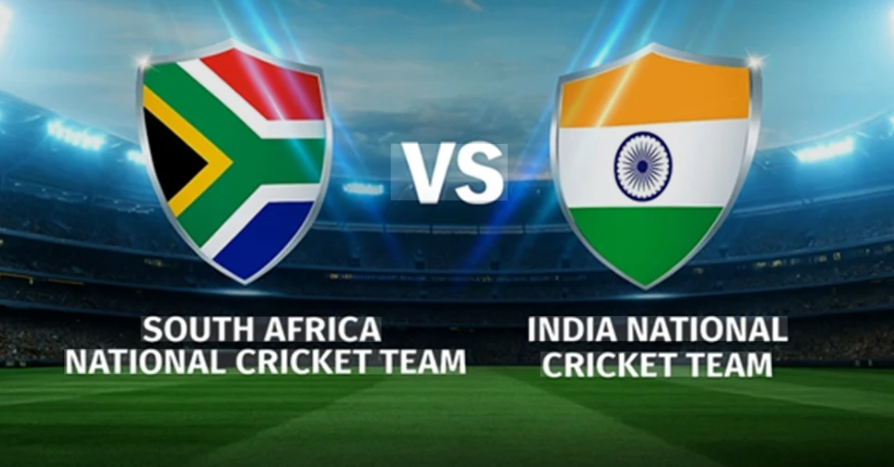
The long-standing competition between the two teams has evolved into one of the most closely followed rivalries in international cricket. From their early encounters to modern high-intensity clashes, every match has carried a unique blend of pressure, skill, and unpredictability. Fans have witnessed powerful batting performances, fiery pace attacks, and moments of pure brilliance that have shaped the direction of this contest. Over the years, conditions, formats, and playing styles have changed, but the intensity has remained constant. Each encounter adds another chapter to a rivalry built on respect, competition, and the desire to dominate on the global stage.
Latest matches table
Date
Venue
Format
Winner
Score 1
Score 2
Margin
22 February 2026
Ahmedabad
T20I
South Africa
South Africa 187/7
India 111
South Africa won by 76 runs
04 February 2026
Navi Mumbai
T20I
India
India 240/6
South Africa 210/7
India won by 30 runs
19 December 2025
Ahmedabad
T20I
India
India 231/5
South Africa 201/8
India won by 30 runs
14 December 2025
Dharamshala
T20I
India
South Africa 117
India 120/3
India won by 7 wickets
11 December 2025
Mullanpur
T20I
South Africa
South Africa 213/4
India 162
South Africa won by 51 runs
09 December 2025
Cuttack
T20I
India
India 175/6
South Africa 74
India won by 101 runs
06 December 2025
Visakhapatnam
ODI
India
South Africa 270
India 271/1
India won by 9 wickets
All-Time Head-to-Head Record table
Format
Played
India Won
South Africa Won
Tied
No Result
Draws
Test Matches
44
16
18
0
0
10
One-Day Internationals
94
40
51
0
3
0
Twenty20 Internationals
36
21
14
0
1
0
Total Combined
174
77
83
0
4
10
All-Time Batting Leaders table
Player
Team
Matches
Innings
Total Runs
Highest Score
Batting Average
Sachin Tendulkar
India
84
102
3755
200
41.26
Virat Kohli
India
65
78
2953
254
46.87
Jacques Kallis
South Africa
73
89
2883
201
38.44
Rahul Dravid
India
60
78
2307
148
33.43
Hashim Amla
South Africa
52
64
2241
253
40.74
AB de Villiers
South Africa
56
66
2189
174
39.80
All-Time Bowling Leaders table
Player
Team
Matches
Innings
Wickets Taken
Best Bowling
Bowling Average
Anil Kumble
India
54
68
135
6/53
29.81
Dale Steyn
South Africa
41
55
119
7/51
23.48
Javagal Srinath
India
46
54
112
6/21
25.62
Shaun Pollock
South Africa
53
62
104
5/35
26.10
Harbhajan Singh
India
42
53
91
7/87
31.42
Makhaya Ntini
South Africa
39
48
87
6/66
28.54
Early Encounters and the Start of International Competition
The first meetings between these two teams after international isolation marked the beginning of a fresh competitive chapter in world cricket. One side brought raw pace and disciplined seam bowling, while the other relied on technical batting depth and spin variations suited to subcontinent conditions. Early matches were not just about results but about understanding each other’s playing style under different conditions. Fast bowlers dominated initial exchanges, often exploiting bounce and movement on greener surfaces, while batters took time to adjust to international intensity. These games slowly built respect between both cricketing setups. Fans witnessed a gradual rise in competitiveness as neither side allowed easy dominance. The early phase laid the foundation for a rivalry that would grow stronger with every passing series and produce closely fought contests in all formats of the game.
Year
Format
Venue Type
Result Type
Key Factor
1991
ODI
Neutral
Close contest
Pace bowling impact
1992
World event
Neutral
One sided
Batting collapse
1993
ODI
Away
Balanced
Spin resistance
1994
Test
Home
Competitive
Seam conditions
1995
ODI
Home
Tight finish
Middle order stability
Competitive Balance and Tactical Adjustments
As the rivalry developed, both sides began adapting their strategies to neutralize each other’s strengths. Bowlers focused on tighter lines and variations rather than raw aggression, while batters worked on handling pressure situations in foreign conditions. The contests became more structured, with field placements and bowling changes playing a crucial role in deciding outcomes. One team started improving its ability to handle fast bowling attacks, especially on bouncy tracks, while the other gradually strengthened its spin game to perform in slower conditions. Matches during this phase often swung back and forth, keeping results uncertain until the final overs or sessions. Coaches and analysts began studying opposition patterns more deeply, which added a new layer of professionalism to these encounters. This period marked the transformation from unpredictable early games into more tactical and calculated battles.
Year
Format
Venue Type
Result Type
Key Factor
1996
ODI
Neutral
Tight
Death overs control
1997
Test
Away
Draw
Defensive batting
1998
ODI
Home
Close win
Spin control
1999
World event
Neutral
Balanced
Pressure handling
2000
Test
Home
Competitive
Bowling depth
Rise of Individual Match Winners
With time, the rivalry began to showcase extraordinary individual performances that often decided the outcome of matches. Star batters from both sides produced match-winning innings under pressure, while bowlers delivered spells that shifted momentum in a single session. The presence of experienced all-rounders added balance and unpredictability to the contests. Certain players developed a reputation for performing consistently in these high-pressure encounters, becoming central figures in their team’s strategy. These match-winning contributions were not limited to one format but spread across Tests, ODIs, and later shorter formats as well. The growing intensity of these performances made each encounter unpredictable and highly entertaining. Fans began associating specific players with iconic moments, creating long-lasting memories that defined the competitive spirit of this rivalry.
Player Type
Impact Area
Frequency
Match Influence
Consistency
Batter
Top order
High
Very strong
Consistent
Bowler
New ball
High
Strong
Reliable
All-rounder
Middle overs
Medium
High
Balanced
Spinner
Middle overs
Medium
Tactical
Variable
Finisher
Death overs
High
Match deciding
Inconsistent
High Pressure ODI and Tournament Clashes
Limited-overs tournaments added a new dimension of pressure where every delivery carried significant importance. Encounters in global events became emotionally charged, with both teams aware that one mistake could end their campaign. Batters often faced challenging chase scenarios, while bowlers were tested under strict run control requirements. Fielding standards improved drastically, as saving even a few runs became crucial in tightly contested matches. These games produced unforgettable finishes, including last-over thrillers and dramatic collapses. Momentum shifts were frequent, and no target felt completely safe. The psychological aspect of these matches became as important as skill execution. Players who handled pressure better often emerged as heroes, while small errors turned into turning points in scorelines.
Year
Event
Target Situation
Result Type
Key Moment
2003
World event
Moderate chase
Narrow finish
Middle collapse
2007
T20 event
Low chase
Tight win
Death overs
2011
World event
High chase
Competitive
Early wickets
2015
ODI series
Balanced
Close finish
Finishing power
2019
World event
Medium chase
Controlled win
Spin pressure
Long Format Battles and Tactical Endurance
Test matches between these sides brought out patience, strategy, and technical excellence. Fast bowlers tested batters with sustained spells, while spinners exploited wear and tear on the pitch over long durations. Batting required immense concentration, and even small mistakes often led to dismissals. Sessions played a major role in determining momentum, with one dominant session often shaping the outcome of the match. Teams focused heavily on building partnerships and maintaining discipline rather than quick scoring. Bowling rotations, field placements, and pitch conditions became central to planning. These encounters highlighted endurance as much as skill, making every day of play significant in shaping results.
Year
Venue
Match Type
Result Pattern
Key Factor
2001
Home
Test
Draw
Batting resilience
2002
Away
Test
Competitive
Seam attack
2004
Home
Test
Tight
Spin control
2006
Away
Test
Balanced
Top order form
2008
Home
Test
Close result
Bowling spells
Short Format Evolution and Aggressive Approach
The introduction of shorter formats changed the entire nature of competition between these teams. Batters began taking more risks, targeting boundaries from the early overs, while bowlers adapted with variations and slower deliveries. Powerplays became crucial, often deciding momentum within the first few overs. Finishing overs turned into high-pressure situations where execution mattered more than strategy. This era saw the rise of explosive batting performances and innovative shot-making. Bowlers responded with yorkers, cutters, and tactical field setups. The balance between attack and defense became extremely thin, making matches unpredictable and exciting for spectators.
Year
Format
Scoring Rate
Result Type
Key Factor
2010
T20
High
Close finish
Powerplay impact
2012
ODI
Moderate
Competitive
Death overs
2014
T20
Very high
Tight
Batting aggression
2016
ODI
High
Balanced
Bowling variation
2018
T20
High
Narrow win
Finishing skills
Modern Era and Evolving Legacy
In recent years, the rivalry has matured into a more balanced and strategically advanced competition. Data analytics, video analysis, and player workload management have influenced selection and match tactics. Teams now rely heavily on match-ups rather than general strategies. Younger players have added fresh energy, while experienced players continue to guide critical situations. Fielding has reached elite levels, and fitness standards have significantly improved across both sides. Matches remain closely contested, with no side enjoying long-term dominance. The rivalry now represents a blend of experience, innovation, and adaptability, making it one of the most respected contests in modern cricket.
Year
Format
Approach
Result Type
Key Factor
2019
ODI
Balanced
Close
Data strategy
2021
T20
Aggressive
Tight
Power hitting
2022
Test
Tactical
Draw
Conditions
2023
ODI
Modern
Competitive
Depth strength
2024
T20
High tempo
Narrow
Execution
Conclusion
This rivalry stands as a reflection of modern cricket’s evolution, where adaptability and consistency define success. Both teams have pushed each other to higher standards through memorable matches and standout individual performances. Whether in Tests, ODIs, or T20s, the contests have often gone down to fine margins, keeping fans engaged till the final moment. The balance of power has shifted over time, but the competitive spirit remains unchanged. As new players emerge and strategies evolve, this rivalry continues to promise thrilling encounters and unforgettable cricketing moments for years to come.