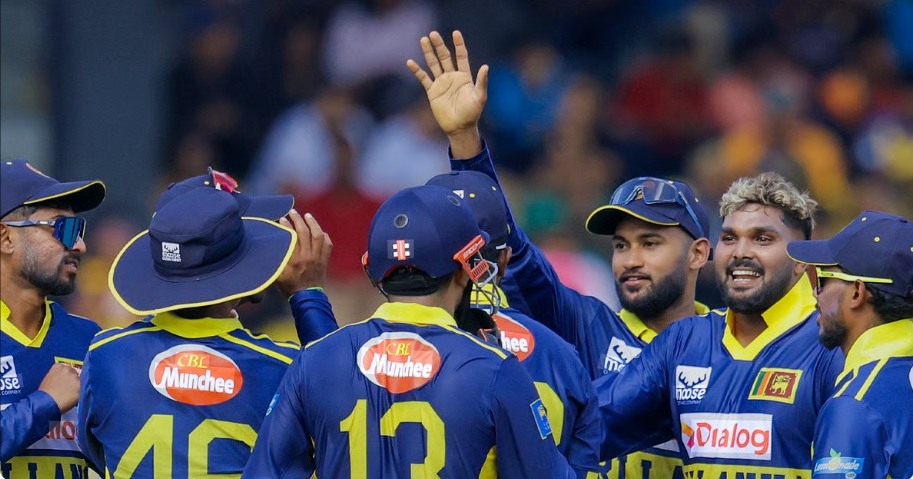
The encounters between these two international cricket sides have steadily evolved into a competitive and closely followed contest in modern cricket. What began as a mismatch in experience has gradually turned into a fixture filled with intensity, tactical battles, and shifting momentum. Each meeting reflects a blend of discipline, adaptability, and growing confidence from both teams. Fans have witnessed strong batting displays, disciplined bowling spells, and moments of individual brilliance that have shaped outcomes. Over time, these matches have built a narrative of resilience and improvement, where no result feels predictable. The rivalry continues to grow with every new encounter, adding depth to their cricketing history.
Team Statistics Summary Table
Format
Total Played
Sri Lanka Won
Ireland Won
No Result
Win Percentage SL
Win Percentage IRE
Test Matches
2
2
0
0
100.00%
0.00%
One-Day Internationals
5
5
0
0
100.00%
0.00%
Twenty20 Internationals
4
4
0
0
100.00%
0.00%
T20 Warm-up Matches
1
1
0
0
100.00%
0.00%
Overall Combined
12
12
0
0
100.00%
0.00%
Matches in Sri Lanka
3
3
0
0
100.00%
0.00%
Individual Batting Records Table
Player Name
Country
Matches Played
Total Runs
Highest Score
Batting Average
Batting Strike Rate
Kusal Mendis
Sri Lanka
6
453
245
75.50
112.40
Dimuth Karunaratne
Sri Lanka
3
344
115
114.66
82.50
Harry Tector
Ireland
5
282
85
35.25
92.10
Curtis Campher
Ireland
4
256
111
42.66
86.30
Paul Stirling
Ireland
7
214
103
23.77
118.70
Lorcan Tucker
Ireland
5
198
80
28.28
104.20
Individual Bowling Records Table
Player Name
Country
Wickets Taken
Bowling Average
Best Figures
Economy Rate
Strike Rate
Wanindu Hasaranga
Sri Lanka
11
14.20
5/79
4.80
17.70
Ramesh Mendis
Sri Lanka
9
26.18
5/164
3.40
46.20
Prabath Jayasuriya
Sri Lanka
7
21.76
5/108
2.90
45.10
Maheesh Theekshana
Sri Lanka
7
16.40
3/23
5.20
18.80
Barry McCarthy
Ireland
5
42.10
3/56
5.90
42.80
Mark Adair
Ireland
4
54.30
2/95
4.15
78.50
Early Encounters and First Impressions
The first meetings between these two sides were shaped by contrast in experience and exposure at the international level. One team entered the field with a long history of competing at the highest stage, while the other carried the hunger of a growing cricket nation eager to prove itself. Those early games often revealed a clear gap in consistency, but not in spirit. The underdog approach brought moments of surprise, especially in the opening overs where aggressive intent sometimes unsettled the more established side. However, experience usually played a decisive role in controlling the middle phase of matches. Field placements, game awareness, and disciplined bowling allowed the stronger side to dominate key moments. Despite the results leaning one way, these early encounters laid the foundation for a competitive relationship. Over time, both teams began to understand each other’s strengths and weaknesses, creating the base for a more balanced contest in later years.
Match Type
Key Performer
Impact
Result
ODI
Senior top order batter
Stable start under pressure
Controlled win
ODI
Emerging opener
Quick runs in powerplay
Competitive total
T20
Spin bowler
Early breakthroughs
Momentum shift
ODI
Middle order anchor
Built partnerships
Comfortable chase
T20
Fast bowler
Early wickets
Match control
Growth in International Competitions
As both sides gained more exposure in global tournaments, the quality of their contests improved significantly. Matches in world events brought higher pressure, stronger stakes, and more tactical awareness. The developing team started to show improved game management, especially in chasing or setting totals under pressure. Meanwhile, the more experienced side refined its adaptability, learning not to underestimate opposition intensity. Fielding standards improved, and fitness levels became more crucial in deciding outcomes. These encounters were no longer one-sided, as momentum shifts became more frequent. One strong batting partnership or a sudden bowling spell could completely change the direction of a game. Fans also began to notice how competitive these matches had become, especially in ICC events where every point mattered. The growing respect between the teams was visible in how closely fought the matches became, marking a clear evolution from earlier encounters into more tactical and emotionally charged contests.
Match Type
Key Performer
Impact
Result
World Cup ODI
Top order batter
Anchored innings
Narrow win
T20 World Cup
All rounder
Balanced performance
Competitive finish
ODI
Spinner
Controlled middle overs
Match control
T20
Finisher batter
Late acceleration
Close chase
ODI
Fast bowler
Key wickets
Defensive win
Top Order Batting Influence
Batting at the top of the order played a crucial role in shaping the outcome of many encounters between these sides. Strong starts often determined whether a team could dominate or struggle under scoreboard pressure. One side consistently relied on technically sound batters who could rotate strike and build long innings, while the other experimented with aggressive starts to unsettle bowlers early. The success of opening partnerships often defined the rhythm of the match. When early wickets fell, pressure mounted quickly on the middle order, forcing a shift in strategy. On the other hand, solid opening stands allowed teams to dictate terms and control run rates effectively. In several matches, individual brilliance at the top created match-winning opportunities, especially when supported by disciplined running between wickets. The ability to handle new ball movement and early swing became a deciding factor in many games, highlighting how critical the opening phase remained in shaping overall results.
Match Type
Key Performer
Impact
Result
ODI
Opener batter
Strong start
High total
T20
Aggressive opener
Fast scoring
Powerplay dominance
ODI
Opening pair
Long partnership
Set platform
T20
Anchor opener
Stabilized innings
Balanced score
ODI
Swing bowler opposition
Early pressure
Wickets early
Underdog Resistance and Counter Attacks
One of the most defining aspects of this rivalry has been the resilience shown by the less favored side in difficult situations. Even when placed under pressure, they often responded with unexpected counter attacks that shifted momentum. These moments were driven by fearless batting and calculated risks, especially in the middle overs. Instead of playing cautiously, certain batters chose to challenge experienced bowlers, creating surprise breakthroughs in scoring patterns. This approach occasionally disrupted established game plans and forced tactical adjustments. In some matches, these counter attacks turned seemingly one-sided situations into competitive finishes. The fighting spirit also reflected in fielding intensity, where crucial catches and run outs changed match direction. While not always resulting in victory, these efforts built respect and added unpredictability to contests. Over time, such resistance became a defining feature, ensuring that no match was ever completely secure until the final overs were played.
Match Type
Key Performer
Impact
Result
ODI
Middle order batter
Counter attack innings
Competitive total
T20
Lower order hitter
Quick runs
Late pressure
ODI
All rounder
Balanced recovery
Fightback
T20
Spinner
Breakthrough wickets
Momentum shift
ODI
Fielder
Key run out
Turned match
Bowling Strategies and Key Spells
Bowling performances have played a decisive role in shaping outcomes across different formats. One side often relied heavily on spin-friendly conditions to control the game, using variations in pace and flight to disrupt batting rhythm. The other side focused on seam movement and disciplined line and length, especially in helpful conditions. Key spells often came at crucial stages, such as early powerplays or middle overs where partnerships were building. A sudden breakthrough during these phases frequently changed the direction of the match. Bowlers who adapted quickly to pitch behavior tended to dominate proceedings. Variations like slower balls, cutters, and sharp turn became important tools in restricting scoring rates. In several encounters, a single spell of controlled bowling created pressure that led to batting collapses. These tactical battles between bat and ball added depth to the rivalry, showing how execution under pressure often decided outcomes more than raw talent alone.
Match Type
Key Performer
Impact
Result
ODI
Spin bowler
Middle over control
Restricted total
T20
Fast bowler
Early wickets
Powerplay dominance
ODI
Medium pacer
Controlled economy
Tight finish
T20
Spinner
Double breakthrough
Match shift
ODI
Death bowler
Final over control
Win secured
Pressure Moments in Close Matches
Close matches between these teams have delivered some of the most intense cricketing moments. These games often reached the final overs with uncertain outcomes, keeping fans fully engaged until the last delivery. Pressure situations exposed both strengths and weaknesses, especially in decision making under stress. Batters had to balance aggression with caution, while bowlers focused on maintaining composure in high-stakes overs. Several matches were decided by small margins, such as missed chances in the field or a single over of expensive bowling. These moments created emotional swings that defined the rivalry’s character. The ability to hold nerve under pressure became a valuable trait, often separating winners from losers. Crowd energy also played a role, as momentum shifts were felt strongly in stadiums. These tightly contested games ensured that the rivalry maintained excitement and unpredictability across different tournaments and years.
Match Type
Key Performer
Impact
Result
ODI
Finisher batter
Last over chase
Narrow win
T20
Death bowler
Final over control
Tight victory
ODI
Captain
Tactical decisions
Close finish
T20
Wicketkeeper
Crucial stumping
Momentum shift
ODI
Lower order batter
Pressure runs
Almost chase
Evolving Team Tactics and Modern Adaptation
Over time, both sides have evolved significantly in terms of strategy and approach to the game. Modern cricket demands flexibility, and both teams have adapted by refining their batting orders, bowling combinations, and fielding structures. Data-driven decision making has influenced match preparation, with detailed analysis of opposition strengths becoming more common. Batting strategies now emphasize strike rotation and boundary efficiency, while bowling units focus on matchup-based plans. Field placements have also become more dynamic, adjusting quickly to changing match situations. Fitness and athleticism have improved overall performance levels, allowing teams to maintain intensity throughout the innings. These changes have made contests more balanced and unpredictable compared to earlier encounters. The evolution reflects how international cricket continues to progress, with both sides learning from past experiences to improve future performances. This ongoing adaptation ensures that every new match brings fresh challenges and renewed competitiveness.
Match Type
Key Performer
Impact
Result
ODI
Captain
Tactical planning
Strategic win
T20
Analyst-driven batter
Optimized scoring
Improved chase
ODI
Bowler unit
Planned variations
Controlled innings
T20
Fielding unit
Saved runs
Tight finish
ODI
All rounder
Balanced contribution
Competitive result
Conclusion
The journey between these two sides highlights how international cricket evolves through experience, learning, and competitive exposure. From early one-sided encounters to tightly fought contests, both teams have shown clear development in skills and strategy. Key players on each side have influenced outcomes with match-winning performances, while tactical improvements have made games more balanced and unpredictable. This rivalry now stands as a symbol of progress, respect, and rising standards in global cricket. Every new match adds another chapter to their shared history, ensuring continued excitement for fans and analysts alike as both teams push each other toward higher levels of performance.