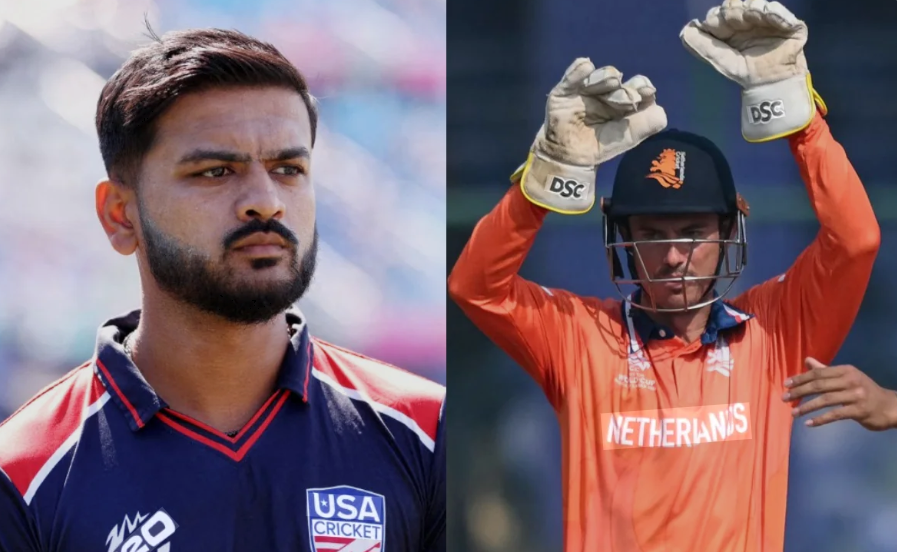
The rivalry between the United States and Netherlands cricket teams has become one of the most exciting stories in modern associate cricket. What started as occasional international meetings slowly developed into a competitive battle filled with tense finishes, tactical contests, and unforgettable performances. Both sides entered matches with different strengths, creating an unpredictable atmosphere every time they faced each other. The Dutch team often relied on experience and disciplined cricket, while the American side played with fearless energy and attacking intent. Over the years, these clashes produced dramatic scorecards, memorable partnerships, and pressure-filled moments that captured the attention of cricket fans worldwide and strengthened the growing reputation of associate cricket.
Latest Matches Table
Date
Match Format
Tournament / Series
Venue
Winner and Margin
13 Feb 2026
T20I
ICC Men’s T20 World Cup
Chennai, India
USA won by 93 runs
28 Aug 2024
T20I
Netherlands T20I Tri-Nation Series
Utrecht, Netherlands
Netherlands won by 4 runs
25 Aug 2024
T20I
Netherlands T20I Tri-Nation Series
Utrecht, Netherlands
Netherlands won by 102 runs
21 Aug 2024
ODI
ICC Cricket World Cup League 2
Rotterdam, Netherlands
Netherlands won by 27 runs
15 Aug 2024
ODI
ICC Cricket World Cup League 2
The Hague, Netherlands
Netherlands won by 19 runs
22 Jun 2023
ODI
ICC Cricket World Cup Qualifier
Harare, Zimbabwe
Netherlands won by 5 wickets
15 Jul 2022
T20I
ICC Men’s T20 World Cup Qualifier B
Bulawayo, Zimbabwe
Netherlands won by 7 wickets
All-Time Head-to-Head Record Table
Format
Total Matches
Netherlands Wins
USA Wins
No Result / Tied
One Day Internationals (ODI)
3
3
0
0
T20 Internationals (T20I)
4
3
1
0
All International Formats
7
6
1
0
All-Time Batting Leaders Table
Player Name
Team
Matches
Total Runs
Highest Score
Batting Average
Scott Edwards
Netherlands
7
248
67
49.60
Shayan Jahangir
USA
6
179
57
35.80
Max O’Dowd
Netherlands
7
165
53
27.50
Saiteja Mukkamalla
USA
3
121
79
40.33
Bas de Leede
Netherlands
5
114
33 *
28.50
All-Time Bowling Leaders Table
Player Name
Team
Matches
Overs Bowled
Total Wickets
Best Bowling Figures
Bas de Leede
Netherlands
5
28.4
11
3 for 37
Aryan Dutt
Netherlands
6
32.0
9
3 for 22
Harmeet Singh
USA
4
14.0
7
4 for 21
Kyle Klein
Netherlands
3
18.0
5
2 for 31
Shadley van Schalkwyk
USA
3
10.5
4
3 for 21
Early Competitive Encounters
The first meetings between these two sides carried more importance than many fans expected. One team arrived with stronger international experience, while the other entered with fearless ambition and aggressive intent. Their early clashes were filled with disciplined bowling spells, careful batting plans, and pressure moments that shaped future contests. The Dutch side often relied on calm middle-order partnerships and tactical field placements, while the American squad looked to attack through power hitters and quick scoring bursts. Several close overs during the final stages created tension among players and supporters alike. These matches slowly transformed from routine fixtures into emotionally charged battles where every wicket shifted momentum. Young players from both camps started building reputations through fearless performances under pressure. The growing intensity also improved the standard of associate cricket, attracting wider attention from global audiences. Fans began discussing memorable catches, late wickets, and dramatic run chases long after the matches ended, proving that this developing rivalry carried genuine excitement and competitive spirit.
Match Year
Winning Side
Leading Run Scorer
Best Bowling Figures
Venue
2010
Netherlands
Ryan ten Doeschate
4/32
Rotterdam
2015
Netherlands
Wesley Barresi
3/28
Amstelveen
2019
United States
Monank Patel
4/26
Florida
2022
Netherlands
Scott Edwards
5/41
Windhoek
Pressure Moments That Changed Matches
Several matches between these sides turned dramatically because of pressure handling during crucial overs. A steady partnership could suddenly collapse after a clever bowling change or sharp fielding effort. Batters often looked comfortable before one breakthrough shifted the momentum completely. Fast bowlers played a huge role during death overs, especially when defending low totals on slow pitches. Captains constantly adjusted field placements, attempting to force risky shots and frustrate set batters. The American lineup showed fearless intent during run chases, but impatience occasionally led to collapses. On the other hand, the Dutch side developed a reputation for staying calm in difficult situations and building recovery partnerships under pressure. Fans witnessed thrilling finishes decided by tight bowling, missed catches, and dramatic final overs. Those moments increased emotional intensity between both teams and strengthened the competitive identity of the rivalry. Every close finish added another memorable chapter and gave supporters more reasons to eagerly follow future encounters.
Tournament
Target
Result Margin
Final Over Runs
Player of Match
League 2
245
Netherlands won by 7 runs
9
Bas de Leede
ODI Series
201
United States won by 3 wickets
6
Monank Patel
ICC Qualifier
267
Netherlands won by 5 wickets
11
Logan van Beek
T20 Clash
154
United States won by 2 runs
4
Ali Khan
Batting Partnerships That Defined Rivalry
Strong batting partnerships repeatedly shaped the direction of contests between these sides. Whenever wickets fell early, experienced players rebuilt innings with patience and smart strike rotation. Dutch batters frequently relied on controlled partnerships in the middle overs to stabilize innings before accelerating late. The American team preferred an attacking style, with openers attempting to dominate the powerplay and pressure bowlers immediately. Some of the most memorable moments came when partnerships crossed fifty or hundred runs during tense situations. Fans admired the calm communication between batters as they managed pressure and rotated strike effectively. Several partnerships completely changed expected results and silenced opposition supporters. The rivalry also produced impressive counterattacks after collapses, proving the mental strength of both teams. Batting combinations became central talking points after every series because they often exposed weaknesses in bowling strategies. Over time, these partnerships built unforgettable memories and highlighted the growing tactical maturity of both cricketing nations.
Partnership Runs
Players
Match Type
Venue
Result
112
Monank Patel and Aaron Jones
ODI
Florida
United States won
134
Scott Edwards and Bas de Leede
ODI
Utrecht
Netherlands won
88
Steven Taylor and Gajanand Singh
T20I
Texas
United States won
101
Max O’Dowd and Vikramjit Singh
ODI
Windhoek
Netherlands won
Bowling Spells That Shifted Momentum
Bowling attacks frequently decided the outcome of matches between these competitive sides. Fast bowlers created pressure through disciplined line and length, while spinners slowed scoring during middle overs. Several games changed completely because of one aggressive spell that removed key batters within minutes. Dutch bowlers often focused on control and patience, forcing mistakes from attacking players. The American bowling unit depended heavily on pace variations, yorkers, and sharp bouncers during crucial phases. Supporters reacted loudly whenever wickets fell in clusters, especially during difficult run chases. Some bowlers developed reputations as match winners because of their ability to break dangerous partnerships. Tight bowling performances also created psychological pressure that affected shot selection and confidence levels. Captains trusted experienced bowlers during critical overs, knowing one successful spell could transform the game instantly. These memorable performances helped define the rivalry and added tactical depth to every encounter between the two ambitious cricket nations.
Bowler
Figures
Match Format
Economy Rate
Venue
Saurabh Netravalkar
5/32
ODI
4.10
Pearland
Logan van Beek
4/18
T20I
4.50
Utrecht
Ali Khan
4/27
ODI
5.00
Florida
Aryan Dutt
5/45
ODI
4.80
Windhoek
Tactical Battles Between Captains
Captaincy became one of the most fascinating elements of this developing rivalry. Every match involved strategic adjustments based on pitch behavior, weather conditions, and opposition weaknesses. Some captains trusted aggressive field settings to attack early wickets, while others preferred defensive plans designed to frustrate batters. Bowling rotations often decided the flow of matches, especially when pressure increased during middle overs. The Dutch side regularly displayed calm planning and patience during difficult situations. Meanwhile, the American leadership embraced fearless decision making and aggressive intent. Toss decisions also influenced outcomes because batting conditions frequently changed throughout the day. Captains faced criticism when risky strategies failed, but successful tactical calls earned huge praise from supporters and analysts. Close contests highlighted how leadership quality could shape momentum and confidence levels inside the dressing room. These tactical battles added another exciting dimension to the rivalry and made every encounter unpredictable for cricket fans around the world.
Captain
Tactical Strength
Most Successful Strategy
Important Win
Venue
Scott Edwards
Calm leadership
Spin rotation
ODI victory
Rotterdam
Monank Patel
Aggressive batting approach
Powerplay attack
T20I win
Texas
Pieter Seelaar
Defensive field placement
Middle overs pressure
League 2 win
Namibia
Aaron Jones
Flexible batting order
Late acceleration
ODI chase
Florida
Fan Emotions and Growing Rivalry Energy
The rivalry gradually became emotional for supporters as matches delivered drama, tension, and unforgettable moments. Fans from both nations followed every contest closely, discussing performances across social media and cricket forums. Excitement increased whenever close finishes or heated exchanges occurred on the field. American supporters celebrated fearless batting and aggressive cricket, believing their team could challenge stronger opponents. Dutch fans admired disciplined performances, tactical intelligence, and calm execution under pressure. Every thrilling finish created stronger emotional investment among audiences. Stadium atmospheres became louder as players responded to crowd energy and pressure situations. Online debates about captaincy decisions, umpiring moments, and player performances continued long after matches finished. Young cricket followers especially connected with this rivalry because it represented growth and ambition in associate cricket. The emotional involvement of fans transformed these matches into more than simple international fixtures. Each new encounter now carries anticipation, pressure, and genuine competitive intensity for players and supporters alike.
Fan Reaction Moment
Match Situation
Crowd Response
Key Player
Match Result
Final over thriller
12 needed off 6
Loud celebrations
Ali Khan
United States won
Dramatic collapse
4 wickets in 3 overs
Shock and silence
Aryan Dutt
Netherlands won
Century partnership
Recovery after early wickets
Standing applause
Bas de Leede
Netherlands won
Super over tension
Scores level
Massive excitement
Monank Patel
United States won
The Road Ahead for Both Teams
The future of this rivalry looks even more competitive as both teams continue developing talented players and stronger cricket structures. Young cricketers from both sides are gaining international exposure through leagues and global tournaments, improving overall standards rapidly. The American team is becoming more confident with aggressive batting depth and improving pace bowling options. Meanwhile, the Dutch side continues producing technically disciplined players capable of handling pressure situations calmly. Future contests may carry greater significance because qualification points and tournament rankings are becoming increasingly important. Coaches are also investing heavily in tactical preparation, data analysis, and fitness standards to stay ahead. Fans expect even closer matches as skill levels continue rising. The rivalry now represents more than wins and losses because it highlights the global expansion of competitive cricket beyond traditional powerhouses. Every future meeting promises fresh storylines, emotional moments, and tactical battles that can further strengthen the reputation of associate cricket on the international stage.
Future Focus Area
United States Strength
Netherlands Strength
Key Challenge
Possible Outcome
Youth Development
Power hitters
Technical batters
Consistency
Stronger squads
Bowling Improvement
Fast bowling depth
Spin accuracy
Death overs
Better finishes
ICC Events
Fearless approach
Big match experience
Pressure handling
Closer contests
Global Exposure
League participation
Tactical discipline
Squad balance
Rivalry growth
Conclusion
The journey between these two teams reflects the rapid growth of competitive cricket beyond traditional powerhouse nations. Their matches consistently delivered excitement through aggressive batting, disciplined bowling, and tactical captaincy decisions that kept fans emotionally invested until the final ball. Several players emerged as match winners, creating memorable performances that shaped the rivalry’s identity. Every contest added another chapter filled with pressure moments, dramatic collapses, and thrilling run chases. As both teams continue improving through international exposure and stronger cricket systems, future meetings are expected to become even more intense. This rivalry now stands as a powerful example of ambition, progress, and entertainment in modern international cricket.