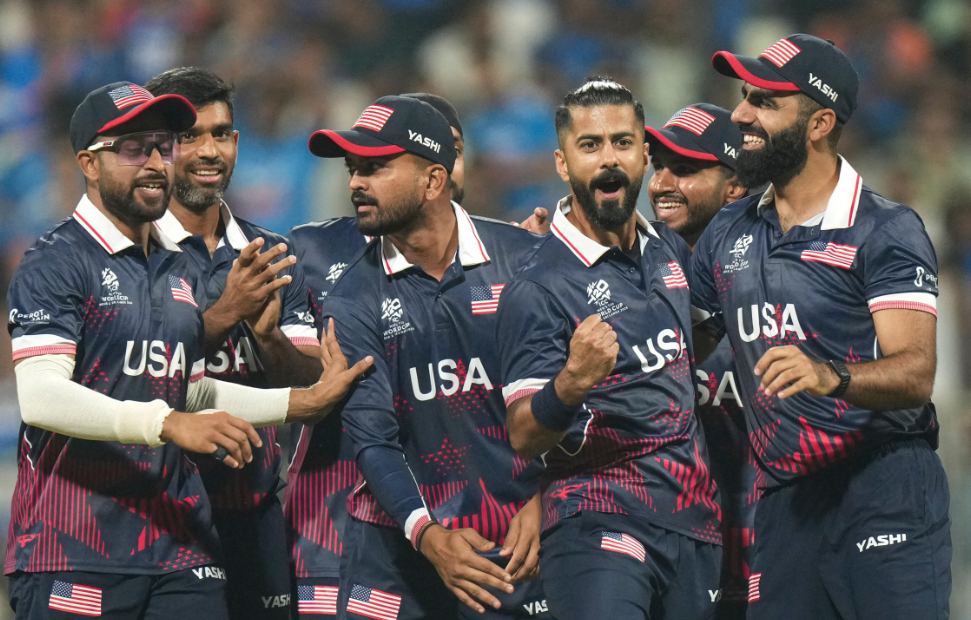
The cricket rivalry between the two sides has gradually developed into a competitive and closely followed contest in associate cricket. What began as occasional meetings in early tournaments has now evolved into a structured battle of skills, tactics, and mental strength. Both teams have shown steady improvement in batting depth, bowling control, and fielding standards over the years. Their encounters often feature shifting momentum, where small moments decide the outcome. Fans have witnessed contrasting styles of play, one side focusing on aggressive intent while the other relies on discipline and structure. This growing rivalry reflects the rise of competitive associate cricket on the global stage.
Latest Matches Table
Date
Format
Venue
Winner
Margin
Scorecard
Feb 13 2026
T20I
Chennai
USA
93 runs
USA 196/6 vs NED 103
Aug 28 2024
T20I
The Hague
Netherlands
4 runs
NED 132 vs USA 128
Aug 25 2024
T20I
The Hague
Netherlands
102 runs
NED 217 vs USA 115
Aug 21 2024
ODI
Rotterdam
Netherlands
27 runs
NED 206 vs USA 179
Aug 15 2024
ODI
The Hague
Netherlands
19 runs
NED 237/7 vs USA 218
Jun 22 2023
ODI
Harare
Netherlands
5 wickets
USA 211 vs NED 214/5
Team Statistics Summary Table
Team
Format
Matches
Wins
Losses
Win Percentage
Netherlands
ODI
3
3
0
100.00
United States
ODI
3
0
3
0.00
Netherlands
T20I
4
3
1
75.00
United States
T20I
4
1
3
25.00
Netherlands
Overall
7
6
1
85.71
United States
Overall
7
1
6
14.29
Individual Batting Records Table
Player
Team
Matches
Runs
Highest Score
Average
Scott Edwards
Netherlands
7
271
81
54.20
Max O Dowd
Netherlands
7
236
77
39.30
Shayan Jahangir
United States
6
171
71
28.50
Monank Patel
United States
5
160
62
32.00
Aaron Jones
United States
7
125
44
17.85
Saiteja Mukkamalla
United States
2
103
79
89.00
Individual Bowling Records Table
Player
Team
Matches
Wickets
Best Bowling
Economy
Kyle Klein
Netherlands
5
9
4/32
4.80
Shadley van Schalkwyk
United States
6
9
3/21
6.10
Paul van Meekeren
Netherlands
5
9
3/35
5.25
Aryan Dutt
Netherlands
6
8
3/28
4.45
Bas de Leede
Netherlands
4
7
3/42
5.10
Harmeet Singh
United States
4
7
4/21
5.85
Early Encounters That Shaped a Quiet Rivalry
The initial meetings between the two sides in international associate cricket were marked by curiosity rather than intensity. Both teams were still developing their core identity, experimenting with batting orders and bowling combinations. The matches did not carry high global attention at the time, but they quietly laid the foundation for a competitive relationship. Players from both squads treated these games as learning opportunities, often adjusting quickly to unfamiliar conditions and playing styles. The contests were closely fought in patches, but consistency remained a challenge for both sides. One team relied heavily on disciplined bowling, while the other focused on aggressive shot-making in the middle overs. These early encounters helped establish respect between the groups and revealed that future meetings could become more competitive. Coaches began noting patterns in opposition strategies, especially in handling pressure overs and chasing targets. Even though the crowd interest was modest, the internal intensity within both camps slowly started to grow.
Match Type
Venue Condition
Key Strength Displayed
Result Trend
ODI
Balanced pitch
Bowling control
Close finish
T20
Batting friendly
Aggressive batting
High scoring
ODI
Slow surface
Spin effectiveness
Low scoring
T20
Mixed bounce
Fielding agility
Narrow win
Building Identity in Associate Cricket Circuits
As both teams spent more time in international associate competitions, their cricketing identity became clearer. One side focused on building depth through domestic structures and exposure tours, while the other leaned on tactical discipline and experienced players from their established cricket system. This phase was crucial in shaping their long-term competitiveness. Performances started becoming more structured, and individual players began taking responsibility in key situations. Batting units showed improved strike rotation, while bowlers developed better control in death overs. The gap between the two sides gradually narrowed, making their meetings more unpredictable. Analysts began noticing that matches were no longer one-sided but instead featured momentum shifts that kept outcomes open until late stages. Fitness standards and fielding quality also improved, adding another layer of competitiveness. This period created the base for future high-pressure encounters where small mistakes could decide results.
Aspect
Team Focus Area
Improvement Level
Match Impact
Batting
Stability build
Moderate
Consistent totals
Bowling
Variation use
High
Wicket control
Fielding
Agility growth
High
Saved runs
Strategy
Match reading
Moderate
Better decisions
First Competitive Clash That Changed the Tone
The first official competitive meeting between the two sides marked a noticeable shift in intensity. Unlike earlier casual encounters, this match carried qualification importance and tactical pressure. Both teams entered with carefully planned strategies, especially around powerplay utilization and middle-over control. Early wickets played a decisive role in shaping the flow of the game. One side managed to build steady partnerships, while the other struggled to maintain momentum due to tight bowling spells. The scoreboard fluctuated throughout, keeping spectators engaged. Field placements became more aggressive, reflecting the seriousness of the contest. In the final overs, pressure handling became the key difference, as small execution errors led to crucial runs being conceded. The match ended with a narrow margin, but more importantly, it established a psychological edge for future encounters. Players and coaches began treating every subsequent meeting with heightened preparation.
Innings Phase
Dominant Side
Key Event
Impact Level
Powerplay
Bowling side
Early wickets
High
Middle overs
Batting side
Partnership build
Medium
Death overs
Mixed control
Run leakage
High
Final phase
Bowling side
Pressure finish
Decisive
Batting Firepower vs Tactical Discipline
One of the defining aspects of this rivalry has been the contrast in batting philosophy. One team prefers an aggressive, high-tempo approach, aiming to maximize scoring in powerplay overs and maintain pressure on bowlers. The other team relies on structured innings building, rotating strike and minimizing risk during early phases. This difference has produced fascinating match dynamics, where momentum swings frequently occur. In several matches, explosive innings have set strong totals, but disciplined chasing has often kept games balanced. Middle-order contributions have been crucial, especially when early wickets fall. The ability to rebuild innings under pressure has often separated winning and losing sides. Bowlers from both teams have adapted by varying pace and targeting specific batting weaknesses. This ongoing tactical contrast continues to define their encounters and keeps statistical comparisons closely matched across formats.
Batting Metric
Aggressive Style
Structured Style
Outcome Effect
Strike Rate
High
Moderate
Quick runs vs stability
Partnerships
Explosive starts
Long innings
Momentum control
Risk Level
High
Low
Collapse vs consistency
Chase Ability
Variable
Steady
Close finishes
Experience Meets Athletic Energy
A major storyline in this rivalry has been the balance between experience and athletic intensity. One side benefits from seasoned players who understand game situations and can adapt under pressure. The other side brings youthful energy, quick fielding, and fearless decision-making. This contrast has produced unpredictable outcomes across formats. Experienced batters often anchor innings during difficult phases, while younger players push scoring rates through aggressive intent. In bowling departments, variations in experience levels influence execution during death overs. Fielding standards have also played a decisive role, with athletic efforts saving crucial runs in tight matches. Over time, both teams have learned from each other, adopting hybrid approaches that combine structure with aggression. This evolution has made their contests more balanced and competitive than before, with no side consistently dominating for long periods.
Factor
Experienced Approach
Athletic Approach
Match Influence
Batting
Controlled innings
Fast scoring
Balance shift
Bowling
Tactical planning
Aggressive spells
Pressure creation
Fielding
Positioning sense
Speed & dives
Run saving
Decision making
Stable choices
Risk-taking
Momentum changes
The Match That Shifted Momentum
A turning-point encounter between the two sides significantly influenced the direction of their rivalry. One team executed its game plan with precision, especially in the bowling department, restricting scoring opportunities during crucial overs. The batting unit then capitalized with a stable partnership that absorbed pressure and rotated strike effectively. The opposing side struggled with early dismissals, which disrupted their planned approach. Despite a late recovery attempt, the required run rate climbed steadily, forcing risky shots that led to further setbacks. The match highlighted the importance of adaptability and situational awareness. Coaches later analyzed this game extensively to understand decision-making gaps and execution errors. This encounter became a reference point for future matches, with both teams adjusting their strategies accordingly.
Match Phase
Dominant Side
Key Moment
Effect
Early overs
Bowling unit
Wicket burst
Control gained
Middle overs
Batting side
Partnership build
Stability
Late overs
Bowling unit
Tight overs
Pressure rise
Final overs
Mixed outcome
Failed chase
Decisive gap
Latest Encounter and Statistical Trends
In recent meetings, both teams have shown improved consistency and tactical awareness. Matches have become more data-driven, with analysts focusing on strike rates, economy rates, and phase-wise performance. Batting units now build innings with clearer intent, balancing aggression with stability. Bowlers have refined their variations, especially in death overs, where execution has become more precise. Fielding standards have also improved, reducing extra run opportunities. Recent scorecards show tighter margins and more balanced contests, reflecting the maturity of both sides. Momentum shifts remain frequent, but teams are now better equipped to handle pressure situations. This evolution indicates that future encounters will continue to be closely fought, with small tactical decisions likely to determine outcomes.
Recent Metric
Team A Trend
Team B Trend
Match Effect
Run Rate
Rising
Stable
Balanced scoring
Wickets Lost
Moderate
Low
Stability increase
Economy Rate
Controlled
Variable
Pressure control
Fielding Errors
Low
Low
Tight contests
Conclusion
The journey between these two teams highlights how associate cricket has become more competitive and unpredictable over time. Each encounter has added new lessons, shaping strategies and strengthening player development on both sides. From early mismatches to tightly contested modern games, the rivalry now stands as a symbol of growth and resilience. Players have adapted, improved, and responded to pressure with greater maturity. The statistical trends show narrowing gaps and increasing balance in performance. As both teams continue to evolve, future clashes are expected to deliver even closer finishes, stronger performances, and higher-quality cricket for fans worldwide.