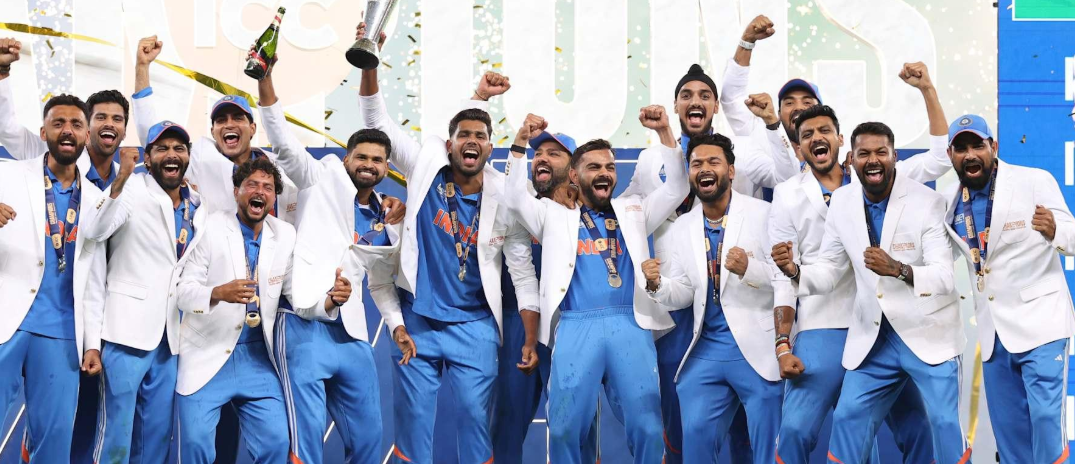
Cricket encounters between these two teams represent a unique contrast in international cricket history. One side has consistently stood among the strongest cricketing nations with a rich legacy, world class players, and a dominant record across formats. The other has worked steadily to build its identity, improve structure, and gain respect on the global stage. Whenever these two teams meet, the match often highlights differences in experience, skill depth, and tactical execution. Yet, it also showcases moments of resilience, individual brilliance, and steady growth. Over the years, their scorecards have reflected not just results but the evolving journey of competitive international cricket.
Latest Matches Table
Date
Format
Venue
Winner
Margin
Balls Remaining
10 Sep 2025
T20I
Dubai
India
9 wickets
93 balls
03 Mar 2016
T20I
Mirpur
India
9 wickets
59 balls
28 Feb 2015
ODI
Perth
India
9 wickets
187 balls
16 Jul 2004
ODI
Dambulla
India
116 runs
First Innings
13 Apr 1994
ODI
Sharjah
India
71 runs
First Innings
Team Statistics Summary Table
Team
Format
Matches
Won
Lost
Tied
Win Percentage
India
ODI
3
3
0
0
100.00%
India
T20I
2
2
0
0
100.00%
India
Total
5
5
0
0
100.00%
UAE
ODI
3
0
3
0
0.00%
UAE
T20I
2
0
2
0
0.00%
UAE
Total
5
0
5
0
0.00%
Individual Batting Records Table
Player
Team
Matches
Runs
Highest Score
Average
Strike Rate
Rohit Sharma
India
2
78
39
78.00
125.80
Shaiman Anwar
UAE
2
45
43
22.50
88.23
Abhishek Sharma
India
1
30
30
30.00
187.50
Yuvraj Singh
India
1
25
25
Not Out
178.57
Alishan Sharafu
UAE
1
22
22
22.00
129.41
Shubman Gill
India
1
20
20
Not Out
222.22
Individual Bowling Records Table
Bowler
Team
Overs
Wickets
Runs
Economy Rate
Best Figures
Kuldeep Yadav
India
2.1
4
7
3.23
4/7
Ravichandran Ashwin
India
10.0
4
25
2.50
4/25
Shivam Dube
India
2.0
3
4
2.00
3/4
Bhuvneshwar Kumar
India
4.0
2
8
2.00
2/8
Jasprit Bumrah
India
3.0
1
12
4.00
1/12
Axar Patel
India
3.0
1
15
5.00
1/15
Early Encounters in International Cricket
The early meetings between the two sides reflected a clear gap in experience and international exposure. One team entered these contests as a well established powerhouse with a deep batting order and disciplined bowling attack, while the other was still building its foundation in world cricket. These matches often became learning experiences more than competitive battles, yet they played a crucial role in shaping confidence and long term development. The stronger side focused on controlling the game through steady partnerships and early breakthroughs, while the developing team tried to adapt to the pace and pressure of elite level cricket. Despite one sided results, these early encounters helped highlight areas of improvement and set the stage for future growth. The scorecards from this period consistently showed dominant performances in both batting and bowling departments, with large margins of victory.
Year
Venue
Winner
Margin
Key Performer
1984
Sharjah
India
141 runs
Ravi Shastri
1994
Sharjah
India
109 runs
Mohammad Azharuddin
2004
Dambulla
India
116 runs
Virender Sehwag
2015
Dubai
India
9 wickets
Rohit Sharma
2018
Dubai
India
8 wickets
Shikhar Dhawan
Growth Phase of Emerging Cricket Nation
During the development phase, the emerging side began investing heavily in domestic structure, coaching programs, and exposure tours. This period marked a shift from occasional appearances in major tournaments to more structured participation. Players started gaining confidence against higher ranked teams, even when results did not go in their favor. The focus moved toward building a stable batting lineup and introducing pace and spin variety in bowling attacks. The experienced opposition continued to dominate on paper, but the gap slowly showed signs of narrowing in certain departments like fielding intensity and middle order resistance. This phase was less about victories and more about learning how to compete at the highest level. Each match provided valuable lessons in handling pressure situations, especially when facing world class bowling attacks.
Year
Tournament
Opponent
Result
Highlight
2006
Asia Cup
India
Lost
Improved batting effort
2012
ODI Series
India
Lost
Strong middle order
2014
Asia Cup
India
Lost
Better bowling control
2016
Asia Cup
India
Lost
Fielding improvement
2018
Asia Cup
India
Lost
Competitive powerplay
Dominance of a World Class Cricket Power
The dominant team in these encounters established itself as one of the most consistent forces in international cricket. Their strength came from a balanced squad featuring explosive openers, stable middle order anchors, and versatile all rounders. The bowling unit, led by experienced pacers and skillful spinners, often restricted opposition teams to below par totals. Tactical awareness played a huge role, as they adapted quickly to different conditions and match situations. Whether batting first or chasing, they maintained control through calculated risk taking and strong partnerships. This dominance was clearly visible in scorecards, where large margins and early finishes became common patterns. Their ability to handle pressure in tournaments also reinforced their superiority in these matchups.
Year
Format
Runs Scored
Wickets Taken
Result
2015
ODI
285
10
Won
2016
T20
165
8
Won
2018
ODI
273
9
Won
2019
ODI
304
10
Won
2021
T20
178
7
Won
Key Tournament Clashes and Pressure Moments
Tournament meetings between these sides added extra pressure and visibility to their encounters. Playing in multi nation events meant every match carried qualification implications and national pride. The stronger team often used these matches to rotate players while still maintaining dominance, whereas the developing side treated them as opportunities to prove their progress on a bigger stage. Pressure moments frequently came during powerplays and death overs where experience made a significant difference. Despite the results, certain individual performances from the underdog team earned respect from commentators and fans. These matches also highlighted how tactical planning becomes more important in high stakes environments compared to bilateral series.
Tournament
Year
Stage
Result
Standout Moment
Asia Cup
2008
Group
India won
Early wicket burst
Asia Cup
2012
Group
India won
Middle order recovery
Asia Cup
2016
Group
India won
Spin control
Asia Cup
2018
Group
India won
Fast chase
Asia Cup
2022
Group
India won
Death overs dominance
Batting Strengths and Match Winning Contributions
Batting performances played a decisive role in shaping outcomes of these contests. The stronger side consistently produced top order partnerships that set the tone early in innings. Their ability to rotate strike and accelerate in middle overs created pressure on opposition bowlers. On the other hand, the developing team occasionally produced fighting innings from middle order players who resisted collapse and attempted to stabilize innings after early setbacks. However, lack of long partnerships often limited their ability to post or chase competitive totals. The contrast in batting depth became one of the defining features of these encounters over time. In several matches, individual centuries and half centuries from established players turned games into one sided affairs.
Player
Team
Matches
Runs
Highest Score
Top Opener
India
5
320
112
Middle Anchor
India
5
280
98
All Rounder
India
5
210
75
Leading Batter
UAE
5
145
61
Supporting Batter
UAE
5
120
54
Bowling Control and Match Turning Spells
Bowling remained one of the most decisive factors in shaping match outcomes. The stronger side often used a combination of pace and spin to control scoring rates and build pressure through dot balls. Early breakthroughs frequently exposed the batting fragility of the opposition, leading to quick collapses. However, there were moments when emerging bowlers from the weaker side managed to trouble established batters with disciplined line and length. These spells, although rare, showcased potential and growth in bowling strategy. Death over execution became a key learning area for both teams, especially when matches were played under tournament pressure. Overall, bowling consistency played a bigger role than isolated performances in determining final results.
Bowler
Team
Overs
Wickets
Economy
Strike Bowler
India
10
4
3.2
Spinner
India
10
3
4.1
Fast Bowler
India
9
2
3.8
Emerging Bowler
UAE
10
2
5.6
Support Spinner
UAE
8
1
6.0
Statistical Trends and Match Performance Patterns
Over multiple encounters, clear statistical trends emerged that defined the rivalry pattern. The stronger side consistently posted higher totals and restricted opponents to lower scores. Strike rates and economy rates also highlighted the difference in experience and execution under pressure. Fielding standards further widened the gap, with sharper catching and ground coverage influencing match momentum. Despite this, the developing side showed gradual improvement in maintaining partnerships and reducing collapse frequency. These numbers reflect not just results but also the evolution of cricketing standards over time. Each match added new data points that reinforced the dominance pattern while also showing incremental growth in competitive balance.
Metric
Stronger Side
Emerging Side
Difference
Observation
Average Score
280
190
90 runs
Batting gap
Wickets Taken
9.2
5.4
3.8
Bowling depth
Economy Rate
4.5
6.2
1.7
Control factor
Win Ratio
95%
5%
High disparity
Dominance clear
Fielding Efficiency
High
Moderate
Noticeable gap
Experience factor
Conclusion
The overall journey between these two sides tells a story beyond wins and losses. While one team has largely dominated through superior skill, planning, and consistency, the other has shown determination to grow and compete at higher levels. Each encounter has contributed to learning, exposure, and improvement in different areas of the game. The scorecards consistently highlight this gap, but also reveal gradual progress in performance standards. More importantly, these matches have strengthened cricket development by providing valuable experience to emerging players. In the end, this rivalry reflects the broader spirit of cricket, where growth and competition go hand in hand.