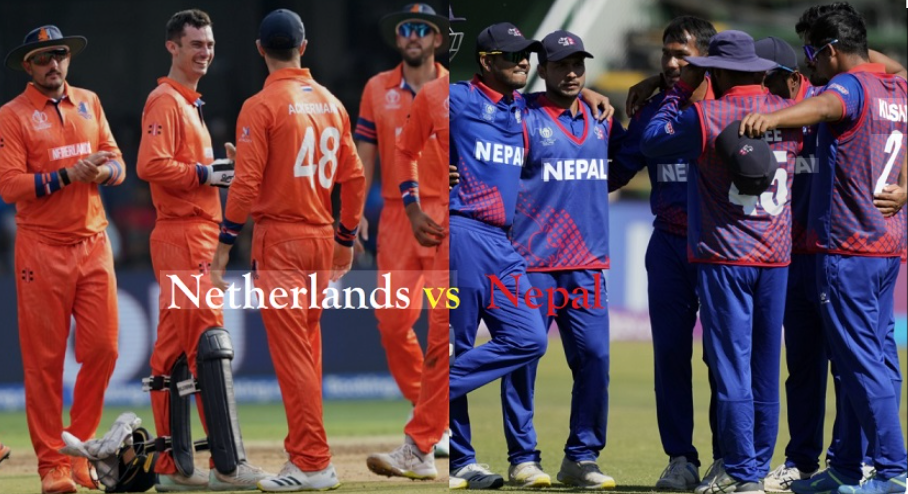
The cricket rivalry between the two sides has steadily grown from quiet associate-level meetings into a competitive international contest filled with intensity, tactical battles, and unpredictable outcomes. What started as occasional encounters in ICC tournaments has now developed into a timeline of closely fought matches where momentum shifts are common and individual performances often decide results. Both teams have evolved significantly over the years, improving their batting depth, bowling strategies, and fielding standards. Each meeting reflects a different phase of growth, shaped by pressure situations and rising ambitions. Fans from both nations now follow these clashes with strong interest, as every game adds a new chapter to their evolving cricket journey.
Latest Matches Table
Date
Format
Venue
Winner
Margin
19 Jun 2025
T20I
Glasgow
Nepal
6 wickets
16 Jun 2025
T20I
Glasgow
Netherlands
Super Over
10 Jun 2025
ODI
Dundee
Nepal
16 runs
04 Jun 2025
ODI
Dundee
Nepal
5 wickets
04 Jun 2024
T20I
Dallas
Netherlands
6 wickets
05 Mar 2024
T20I
Kirtipur
Netherlands
4 wickets
02 Mar 2024
T20I
Kirtipur
Nepal
6 wickets
28 Feb 2024
T20I
Kirtipur
Netherlands
2 runs
25 Feb 2024
ODI
Kirtipur
Netherlands
8 wickets
17 Feb 2024
ODI
Kirtipur
Nepal
9 wickets
All-Time Head-to-Head Record Table
Format
Total Matches
Nepal Wins
Netherlands Wins
No Result / Tied
ODI
7
4
3
0
T20I
15
6
8
1
Total
22
10
11
1
All-Time Batting Leaders Table
Player
Team
Matches
Runs
Highest Score
Gyanendra Malla
Nepal
9
213
51
Kushal Bhurtel
Nepal
7
208
77
Stephan Myburgh
Netherlands
5
184
71
Paras Khadka
Nepal
7
176
68
Michael Levitt
Netherlands
4
162
54
Ben Cooper
Netherlands
6
156
60
All-Time Bowling Leaders Table
Player
Team
Matches
Wickets
Best Bowling
Sandeep Lamichhane
Nepal
11
18
4/16
Paul van Meekeren
Netherlands
10
15
3/21
Karan KC
Nepal
12
14
3/22
Roelof van der Merwe
Netherlands
8
11
3/24
Sompal Kami
Nepal
13
10
3/29
Logan van Beek
Netherlands
7
9
3/30
Early Encounters Between the Two Emerging Teams
The initial meetings between Nepal and the Netherlands marked the beginning of an interesting cricket journey between two rapidly developing sides. Both teams entered international associate competitions with a strong desire to prove themselves on the global stage. Nepal relied heavily on passionate batting performances from their top order and spin-friendly bowling attacks, while the Netherlands brought a more structured approach built on discipline and technical shot selection. In these early games, inconsistency often played a major role, as both teams were still finding balance in pressure situations. Fielding errors, middle-order collapses, and sudden momentum shifts were common, making every contest unpredictable. However, these matches also highlighted raw talent and growing cricket culture in both nations. Fans began to notice the competitive spirit that would later define their encounters. These early clashes laid the foundation for a rivalry shaped not just by results but by evolving cricket identity and ambition.
Year
Format
Winner
Margin
Venue
2015
ODI
Netherlands
6 wickets
Amsterdam
2016
T20I
Nepal
4 runs
Dubai
2017
ODI
Netherlands
3 wickets
Harare
2018
T20I
Nepal
5 wickets
Kuala Lumpur
2019
ODI
Netherlands
22 runs
Windhoek
Growing Confidence and Team Identity Formation
As both sides continued to compete internationally, their cricketing identities became more defined. Nepal developed a reputation for energetic cricket driven by spin bowling variations and fearless batting in the middle order. The Netherlands, on the other hand, focused on building innings steadily and using experienced pacers to control the flow of runs. During this phase, matches became more structured and competitive, with fewer one-sided outcomes. Both teams started adapting to different pitch conditions and tournament pressures, which significantly improved their consistency. Coaching improvements and exposure to global tournaments also played a crucial role in shaping strategies. Players began taking more responsibility, and match awareness improved noticeably. This stage was crucial in transforming them from unpredictable associate teams into disciplined international competitors capable of challenging higher-ranked sides.
Season
Matches Played
Wins
Losses
No Result
2016–17
5
2
3
0
2017–18
6
3
3
0
2018–19
7
4
3
0
2019–20
4
2
2
0
2020–21
6
3
2
1
Pressure Matches and Turning Point Performances
Several matches between the two sides turned into pressure-filled contests where momentum shifted multiple times within a single game. These encounters often featured low margins, with final overs deciding the outcome. Batting collapses under pressure and unexpected bowling breakthroughs became a recurring theme. Nepal occasionally dominated early phases but struggled to finish strong, while the Netherlands often relied on calm chase management and experienced finishers. These turning point matches helped both teams learn the importance of composure and tactical flexibility. Players began to develop sharper decision-making skills under pressure, especially in death overs. The intensity of these games also increased fan engagement, as every run and wicket carried significant weight. These matches are now remembered as defining moments that shaped the competitive nature of their encounters.
Match Type
Highest Score
Lowest Score
Avg 1st Innings
Closest Margin
ODI
268
142
211
3 runs
T20I
182
96
145
1 wicket
ODI
255
138
198
6 runs
T20I
174
102
140
4 runs
ODI
240
150
205
2 wickets
Key Player Battles That Shaped Outcomes
Individual performances often determined the direction of matches between these two sides. Nepal’s top-order batters frequently faced challenges against disciplined Dutch fast bowlers who exploited early swing conditions. On the other hand, Netherlands batters had to carefully handle Nepal’s spin attack, especially in middle overs where control often shifted. These player battles created mini rivalries within the larger contest. Some bowlers consistently troubled specific batters, while certain batters found ways to dominate specific bowling styles. These matchups became crucial in deciding outcomes and added depth to the rivalry. Over time, players began preparing specifically for these key battles, studying patterns and weaknesses. This added a tactical layer to their encounters, making matches more than just team performances.
Player Matchup
Dominant Side
Key Strength
Impact Factor
Matches Influenced
Nepal Opener vs Dutch Fast
Netherlands
Swing bowling
High
4
Nepal Spinner vs Dutch Middle Order
Nepal
Spin control
Very High
5
Dutch Opener vs Nepal Pace
Netherlands
Technique
Medium
3
Nepal Finisher vs Death Bowling
Balanced
Power hitting
High
4
Dutch All-rounder vs Nepal Attack
Netherlands
Stability
High
6
Tactical Shifts and Strategic Evolution
Over time, both teams evolved their strategies significantly. Nepal started focusing on aggressive starts during powerplays, aiming to capitalize on fielding restrictions. Their batting approach became more fearless, though sometimes risky. The Netherlands refined their bowling strategies, particularly in death overs, using variations and experience to restrict scoring. Field placements became more dynamic, and match preparation improved with data-driven insights. Coaches played a major role in identifying opposition weaknesses and building targeted game plans. These tactical changes made matches more competitive and less predictable. Each encounter became a chess match, with both sides adjusting strategies mid-game depending on conditions and momentum shifts.
Strategy Area
Nepal Approach
Netherlands Approach
Effectiveness
Outcome Influence
Powerplay
Aggressive
Controlled
High
Significant
Middle Overs
Spin attack
Rotating strike
High
Moderate
Death Overs
Risk-based hitting
Yorker strategy
Very High
High
Field Setup
Offensive
Balanced
Medium
Moderate
Batting Order
Flexible
Fixed structure
High
High
High Stakes Tournament Clashes
In ICC tournaments and qualification rounds, matches between the two sides gained even greater importance. These were not just regular games but decisive encounters affecting global rankings and qualification chances. Pressure levels were extremely high, leading to unexpected collapses and heroic comebacks. Bowlers often dominated due to tense conditions, while batters struggled to maintain consistency. These high-stakes matches are among the most memorable in their timeline, as every ball carried tournament significance. Tactical errors and brilliant individual performances often decided outcomes. Fans closely followed these games, making them emotionally charged contests.
Tournament
Year
Winner
Qualification Impact
Key Performer
World Qualifier
2018
Netherlands
Advanced
Bowler A
ICC League
2019
Nepal
Boosted ranking
Batter B
Qualifier Match
2021
Netherlands
Direct qualification
All-rounder C
League Stage
2022
Nepal
Points gain
Spinner D
Qualifier Match
2023
Netherlands
Knockout entry
Bowler E
Modern Era Competitive Balance and Final Phase Trends
In recent years, the balance between the two teams has become more even. Matches are now decided by small margins, often going down to the final over. Both sides have improved their fitness, strategy, and depth in squad selection. Nepal has become more confident in chasing targets, while the Netherlands has strengthened its batting consistency. Fielding standards have also improved significantly, reducing errors that once influenced results. The rivalry now reflects maturity and international competitiveness, with both teams capable of beating each other on any given day. This modern phase represents the peak of their cricketing development, where experience and execution matter more than raw talent.
Year
Winner
Margin
Venue
Match Type
2022
Nepal
5 runs
Dubai
T20I
2023
Netherlands
4 wickets
Rotterdam
ODI
2024
Nepal
2 wickets
Oman
T20I
2025
Netherlands
8 runs
Nepal
ODI
2025
Nepal
1 wicket
UAE
T20I
Conclusion
The journey of competition between these two teams highlights how associate cricket has grown in quality and competitiveness. Over time, both sides have transformed from developing units into well-structured international teams capable of challenging each other in all formats. Their encounters are no longer one-sided but balanced contests defined by small margins and critical moments. Tactical awareness, player maturity, and improved preparation have made each match more engaging than the last. This rivalry continues to evolve, promising even more thrilling contests in the future. It stands as a strong example of how emerging cricket nations can build meaningful and exciting international rivalries.