Table of Contents
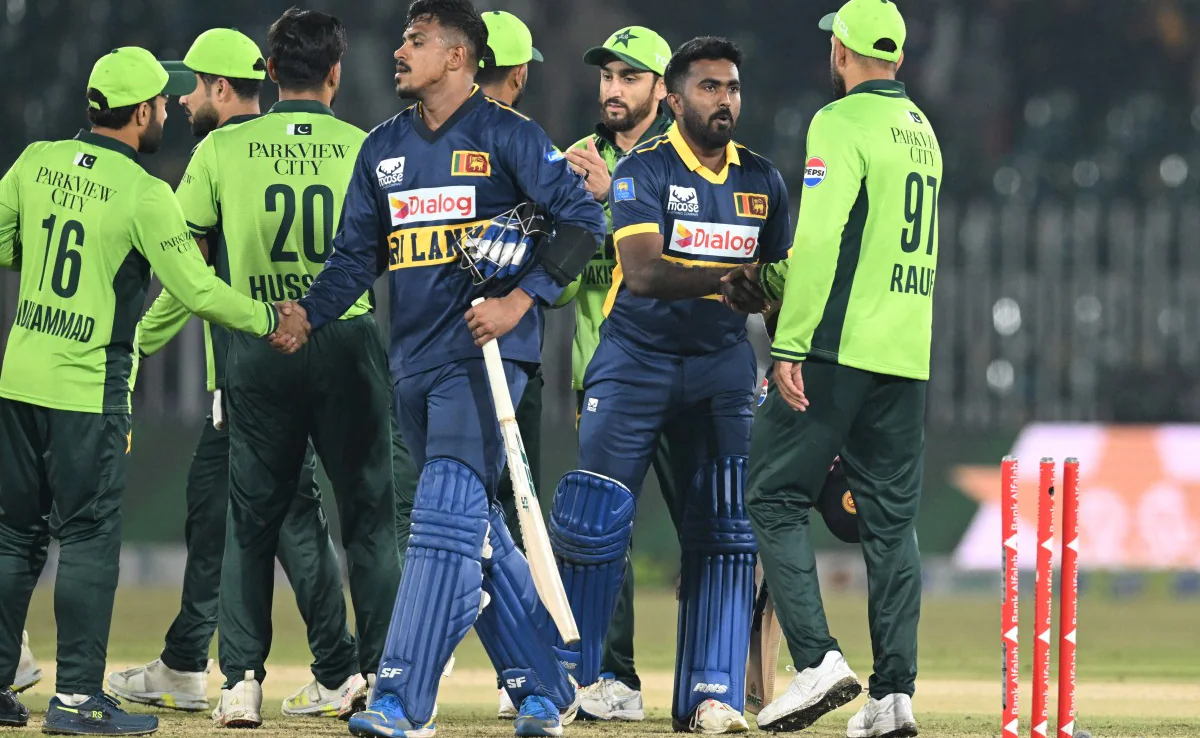
The Sri Lanka National Cricket Team Vs Pakistan National Cricket Team Match Scorecard reflects one of the most exciting rivalries in international cricket. Over the years, these two Asian teams have battled fiercely in Test matches, One Day Internationals, and T20 Internationals, producing unforgettable finishes and outstanding individual performances. Their contests have featured legendary cricketers, dramatic run chases, and record-breaking spells that continue to entertain fans worldwide. Whether in ICC tournaments, the Asia Cup, or bilateral series, every match adds another memorable chapter to this historic rivalry. This article covers the latest match scorecard, key performances, head-to-head records, statistics, and the biggest moments between Sri Lanka and Pakistan.
Match Summary
- Toss: Sri Lanka won the toss and elected to field first.
- Result: Pakistan won by 5 runs.
- Player of the Match: Sahibzada Farhan
Pakistan Innings Scorecard
Total: 212/8 (20 Overs)
Batting
| Batter | Dismissal | Runs | Balls | 4s | 6s | SR |
|---|---|---|---|---|---|---|
| Sahibzada Farhan | c Janith Liyanage b Dilshan Madushanka | 100 | 60 | 9 | 5 | 166.67 |
| Fakhar Zaman | b Dasun Shanaka | 84 | 42 | 9 | 4 | 200.00 |
| Khawaja Nafay | b Dasun Shanaka | 2 | 3 | 0 | 0 | 66.67 |
| Shadab Khan | b Dilshan Madushanka | 7 | 5 | 1 | 0 | 140.00 |
| Mohammad Nawaz | c & b Dilshan Madushanka | 0 | 1 | 0 | 0 | 0.00 |
| Salman Ali Agha | c & b Dushmantha Chameera | 0 | 2 | 0 | 0 | 0.00 |
| Usman Khan | not out | 8 | 4 | 1 | 0 | 200.00 |
| Shaheen Afridi | run out | 4 | 2 | 1 | 0 | 200.00 |
| Naseem Shah | run out | 1 | 1 | 0 | 0 | 100.00 |
Extras: 6 (lb 3, w 3)
Bowling
| Bowler | Overs | Maidens | Runs | Wickets | Economy |
|---|---|---|---|---|---|
| Dilshan Madushanka | 4 | 0 | 33 | 3 | 8.25 |
| Dasun Shanaka | 4 | 0 | 42 | 2 | 10.50 |
| Dushmantha Chameera | 4 | 0 | 48 | 1 | 12.00 |
| Maheesh Theekshana | 4 | 0 | 35 | 0 | 8.75 |
| Dunith Wellalage | 3 | 0 | 37 | 0 | 12.33 |
| Janith Liyanage | 1 | 0 | 14 | 0 | 14.00 |
Sri Lanka Innings Scorecard
Total: 207/6 (20 Overs)
Batting
| Batter | Dismissal | Runs | Balls | 4s | 6s | SR |
|---|---|---|---|---|---|---|
| Pathum Nissanka | c Usman Khan b Shaheen Afridi | 3 | 7 | 0 | 0 | 42.86 |
| Kamil Mishara | c Fakhar Zaman b Naseem Shah | 26 | 15 | 4 | 1 | 173.33 |
| Charith Asalanka | c Shadab Khan b Abrar Ahmed | 25 | 18 | 1 | 2 | 138.89 |
| Pavan Rathnayake | c sub (Saim Ayub) b Shaheen Afridi | 58 | 37 | 4 | 3 | 156.76 |
| Kamindu Mendis | c Shadab Khan b Abrar Ahmed | 3 | 6 | 0 | 0 | 50.00 |
| Dasun Shanaka | c Salman Ali Agha b Mohammad Nawaz | 76 | 31 | 2 | 8 | 245.16 |
| Janith Liyanage | not out | 5 | 3 | 1 | 0 | 166.67 |
| Dunith Wellalage | not out | 2 | 3 | 0 | 0 | 66.67 |
Extras: 9
Bowling
| Bowler | Overs | Maidens | Runs | Wickets | Economy |
|---|---|---|---|---|---|
| Abrar Ahmed | 4 | 0 | 23 | 3 | 5.75 |
| Shaheen Afridi | 4 | 0 | 48 | 1 | 12.00 |
| Naseem Shah | 4 | 0 | 36 | 1 | 9.00 |
| Mohammad Nawaz | 2 | 0 | 21 | 1 | 10.50 |
| Usman Tariq | 4 | 0 | 43 | 0 | 10.75 |
| Shadab Khan | 2 | 0 | 33 | 0 | 16.50 |
The First Spark: When Sri Lanka Met Pakistan on the Big Stage
| Era / Event | Key Milestone | Match Significance & Highlights |
|---|---|---|
| 1975 World Cup | First Global Meeting | Sri Lanka (as an Associate Member) faced Pakistan at Nottingham; Pakistan scored 330 and won by 192 runs. |
| 1982 Series | Inaugural Test Clash | Sri Lanka’s first official away Test after gaining Test status; Pakistan won in Karachi by 204 runs following a Javed Miandad century. |
Underdogs Rise and the First Real Fights
| Year | Milestone Event | Match Outcome & Key Performers |
|---|---|---|
| 1985 | First Test Series Win | Sri Lanka stunned Pakistan on home soil; captain Duleep Mendis led the team to victory over Imran Khan’s side. |
| 1987 | World Cup Group Battles | Pakistan exacted revenge with narrow, high-stakes group-stage wins in Hyderabad and Faisalabad. |
The 1990s Fire: Spin, Pace and National Pride
| Team | Primary Weaponry | Tactical Philosophy & Strategy |
|---|---|---|
| Pakistan | Reverse-Swing & Raw Pace | Relied on the lethal bowling duos of Wasim Akram and Waqar Younis to dismantle top orders. |
| Sri Lanka | Mystery Spin & Powerplay Blitz | Leveraged Muttiah Muralitharan’s spin wizardry and Sanath Jayasuriya’s explosive opening onslaughts. |
Turning Points That Defined a Generation
| Tournament | Venue | Final Result & Iconic Moment |
|---|---|---|
| 1997 Asia Cup | Colombo | Sri Lanka defeated Pakistan in the final to lift the continental crown on home soil. |
| 1999 Asian Test Championship | Dhaka | Pakistan won ruthlessly; highlighted by Wasim Akram taking a historic hat-trick in the final. |
Home Soil Battles and Away Day Aggression
| Touring Team | Year | Landmark Achievement | Match Dynamics |
|---|---|---|---|
| Sri Lanka | 2000 | Historic Away Test Series Win | Driven by Marvan Atapattu’s batting resilience and Muralitharan’s spin. |
| Pakistan | Various | Fortified Ground Breaches | Routinely breached Sri Lankan strongholds like Galle and R. Premadasa using specialized spin. |
White-Ball Wars: ODIs and the Birth of T20 Clashes
| Tournament Final | Winner | Margin of Victory | Key Context |
|---|---|---|---|
| 2009 ICC T20 World Cup | Pakistan | 8 Wickets | Pakistan chased down Sri Lanka’s target at Lord’s to win their maiden T20 World Cup. |
| 2014 Asia Cup | Sri Lanka | 5 Wickets | Sri Lanka avenged previous losses by defeating Pakistan in Dhaka to win the title. |
Modern Era Pressure: Records, Whitewashes and Comebacks
| Year | Tournament / Series | Format | Key Outcome & Historical Impact |
|---|---|---|---|
| 2017 | Bilateral Series in UAE | Test | Sri Lanka secured a historic 2-0 whitewash, handing Pakistan their first series loss in the UAE. |
| 2019 | Bilateral Series in Lahore | T20I | A second-string Sri Lankan side shocked the world No. 1 ranked Pakistan team with an emphatic 3-0 sweep. |
| 2022 | Asia Cup Final | T20I | Sri Lanka defeated Pakistan in the final to claim their 6th Asia Cup title. |
| 2023 | ICC ODI World Cup | ODI | Pakistan pulled off a record-breaking 345-run chase against Sri Lanka in Hyderabad. |
| 2026 | ICC T20 World Cup | T20I | Pakistan narrowly defeated Sri Lanka by 5 runs in a Pallekele thriller. |
Lasting Impact: What the Rivalry Still Means
| Dimension | Core Meaning | Practical Impact on Cricket Culture |
|---|---|---|
| Diplomatic Resilience | Cricketing Brotherhood | Sri Lanka was the first major nation to return and play bilateral cricket in Pakistan after years of security isolation. |
| On-Field Character | Fierce but Clean | The rivalry remains intensely competitive and full of down-to-the-wire thrillers, free from toxic political animosity. |
Final Thoughts
The Sri Lanka National Cricket Team Vs Pakistan National Cricket Team Match Scorecard tells the story of a rivalry built on skill, determination, and unforgettable cricketing moments. Every encounter between these two teams showcases high-quality performances, tactical battles, and individual brilliance that keep fans engaged until the final ball. From thrilling ICC tournament clashes to intense bilateral series, both sides have consistently delivered entertaining contests across all formats. As new generations of players continue this tradition, the rivalry is expected to produce even more memorable matches. Following the latest scorecards, records, and player performances remains the best way to appreciate the rich history and exciting future of Sri Lanka versus Pakistan cricket.
Frequently Asked Questions
1. Who won the latest Sri Lanka vs Pakistan cricket match?
Pakistan won the latest meeting by defeating Sri Lanka by 5 runs in the ICC Men’s T20 World Cup 2026 Super Eights match.
2. Which team has a better head-to-head record?
Pakistan holds the overall advantage against Sri Lanka across Tests, ODIs, and T20 Internationals, although Sri Lanka has secured several memorable victories in major tournaments.
3. Where can I find the latest Sri Lanka vs Pakistan match scorecard?
The latest scorecard is available on the official ICC and Pakistan Cricket Board websites, along with leading cricket platforms that provide ball-by-ball updates and match statistics.
4. Which players have performed best in this rivalry?
Several legendary players have dominated this contest over the years, including Kumar Sangakkara, Mahela Jayawardene, Sanath Jayasuriya, Babar Azam, Younis Khan, Misbah-ul-Haq, and Shaheen Shah Afridi.
5. Why is the Sri Lanka vs Pakistan rivalry so popular?
The rivalry is known for its competitive matches, close finishes, talented players, and memorable encounters in ICC events and the Asia Cup, making it one of Asia’s most respected cricket rivalries.