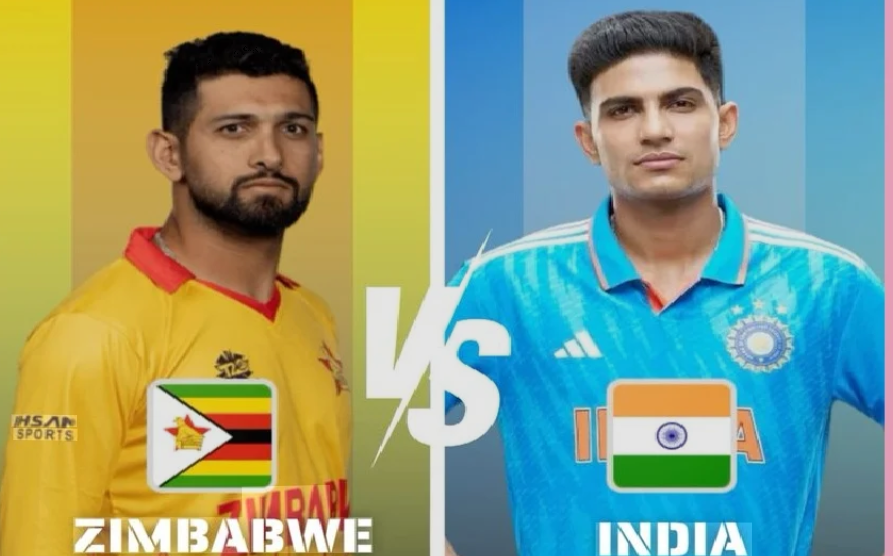
The cricket journey between India and Zimbabwe represents a long timeline of contrasting strengths, evolving strategies, and unforgettable international moments. From their earliest encounters, the difference in experience and depth shaped the direction of most matches, yet Zimbabwe always brought determination and resilience to the field. India gradually built itself into a dominant force with a strong batting core and versatile bowling attack, while Zimbabwe continued rebuilding through different generations of players. Across decades, their meetings have reflected not just results but also growth, struggle, and moments of brilliance that added meaning to this international cricket relationship.
Latest Matches Table
Date
Match Format
Venue
Winner
Margin of Victory
Player of the Match
16 February 2026
T20I World Cup
Chennai
India
Won by 72 runs
Suryakumar Yadav
14 July 2024
T20I Bilateral
Harare
India
Won by 42 runs
Sanju Samson
13 July 2024
T20I Bilateral
Harare
India
Won by 10 wickets
Yashasvi Jaiswal
10 July 2024
T20I Bilateral
Harare
India
Won by 23 runs
Shubman Gill
07 July 2024
T20I Bilateral
Harare
India
Won by 100 runs
Abhishek Sharma
06 July 2024
T20I Bilateral
Harare
Zimbabwe
Won by 13 runs
Sikandar Raza
06 November 2022
T20I World Cup
Melbourne
India
Won by 71 runs
Suryakumar Yadav
22 August 2022
ODI Bilateral
Harare
India
Won by 13 runs
Shubman Gill
All-Time Head-to-Head Record
Format
Matches Played
India Wins
Zimbabwe Wins
Tied Matches
No Result
Test Matches
11
9
2
0
0
One Day Internationals
66
54
10
2
0
Twenty20 Internationals
15
12
3
0
0
Total Internationals
92
75
15
2
0
All-Time Batting Leaders
Batter
Country
Innings
Total Runs
Highest Score
Batting Average
Centuries scored
Sachin Tendulkar
India
41
1793
146
52.73
7
Sourav Ganguly
India
35
1515
144
54.10
3
Andy Flower
Zimbabwe
41
1497
232
41.58
3
Rahul Dravid
India
33
1324
200
49.03
3
Alistair Campbell
Zimbabwe
45
1289
102
30.69
1
Grant Flower
Zimbabwe
48
1276
106
28.35
1
VVS Laxman
India
21
925
131
51.38
3
Brendan Taylor
Zimbabwe
26
772
138
32.16
2
All-Time Bowling Leaders
Bowler
Country
Matches
Wickets Taken
Best Bowling Innings
Bowling Average
Economy Rate
Anil Kumble
India
24
45
4/25
21.84
4.14
Heath Streak
Zimbabwe
37
44
5/32
36.13
4.31
Javagal Srinath
India
24
41
4/35
23.36
4.19
Harbhajan Singh
India
16
36
6/63
21.27
3.23
Ajit Agarkar
India
17
32
4/18
21.81
4.90
Zaheer Khan
India
12
31
4/42
20.35
3.73
Eddo Brandes
Zimbabwe
17
25
5/41
26.56
4.41
Irfan Pathan
India
7
24
5/27
13.91
3.51
Early Encounters and First International Clashes
The beginning of international meetings between India and Zimbabwe marked a clear contrast in experience and depth. India entered the contest with a growing reputation in world cricket, while Zimbabwe were still finding their rhythm at the highest level. Early matches showed Zimbabwe’s fighting spirit, especially in home conditions where their bowlers used pace and movement effectively. However, India’s stronger batting lineup often absorbed pressure and responded with stability in the middle overs. These early encounters were not just about results but about learning curves for both teams. India focused on building partnerships and rotating strike, while Zimbabwe relied heavily on individual brilliance. Over time, India’s consistency began to shape the rivalry into a one-sided contest, yet Zimbabwe earned respect for their discipline and competitive energy. The foundation of this cricket relationship was built on unequal strength but shared determination on the field.
Year
Format
Winner
Key Performer
Margin
1983
ODI
India
Gavaskar
5 wickets
1987
ODI
India
Kapil Dev
8 wickets
1992
ODI
India
Tendulkar
32 runs
1992
ODI
India
Prabhakar
4 wickets
Growth Phase and Competitive Resistance
As both teams moved into the 1990s, Zimbabwe started to develop a more structured approach to international cricket. Their batting lineup showed improvement with more stable partnerships, while the bowling attack became more disciplined in line and length. India, on the other hand, was evolving into a stronger batting side with rising stars and experienced anchors controlling the innings. Matches during this phase were slightly more competitive, with Zimbabwe occasionally pushing India into pressure situations. However, India’s depth in batting and ability to recover from early wickets gave them an advantage in most contests. Zimbabwe’s fielding standards also improved, creating moments where India had to work harder for runs. Despite the imbalance, this era is remembered for Zimbabwe’s resilience and their refusal to surrender easily. It laid the groundwork for future encounters where both teams would display contrasting strengths but similar passion for the game.
Series
Venue
Result
Top Batter
Top Bowler
1993
India
India won
Azharuddin
Kumble
1994
Zimbabwe
India won
Tendulkar
Srinath
1995
India
India won
Ganguly
Prasad
1996
Zimbabwe
India won
Dravid
Kumble
Mid Era ODI Battles and Momentum Shift
During the late 1990s and early 2000s, the gap between the two sides became more visible. India’s batting order was strengthening with world-class players who could dominate any bowling attack, while Zimbabwe faced inconsistency in both batting and bowling departments. In several matches, India posted high totals that put Zimbabwe under immediate pressure. Zimbabwe, however, had moments of brilliance where their top order produced surprising resistance. The key difference was India’s ability to control the middle overs and accelerate in the final phase. Zimbabwe struggled to maintain momentum after losing early wickets, which often led to collapses. Still, the matches were not entirely one-sided, as Zimbabwe occasionally produced memorable spells with the ball that troubled Indian batters. This phase is remembered for India’s growing dominance but also Zimbabwe’s short bursts of competitive cricket that kept the rivalry alive in spirit.
Match Type
India Score
Zimbabwe Score
Result
Highlight
ODI
280+
220+
India win
Top order batting
ODI
300+
190+
India win
Middle order collapse
ODI
260+
240+
India win
Close finish
ODI
310+
200+
India win
Century innings
Transition Era and Changing Team Dynamics
The transition period saw India becoming a dominant force in world cricket with a balanced team capable of performing in all conditions. Zimbabwe, however, struggled with internal cricketing challenges and lack of consistent exposure. This affected their performance in international matches, where they often found it difficult to match India’s intensity. India’s bowling attack became more versatile, with spinners and pacers contributing equally to success. Zimbabwe relied heavily on a few experienced players, which made their lineup predictable. Despite this, Zimbabwe continued to show fighting spirit, especially in home conditions where they occasionally restricted India to lower totals than expected. The difference in infrastructure and match experience became more apparent, but the competitive spirit remained alive whenever these two teams met on the field.
Aspect
India
Zimbabwe
Advantage
Batting Depth
Strong
Limited
India
Bowling Attack
Balanced
Inconsistent
India
Fielding
Sharp
Average
India
Match Experience
High
Moderate
India
Dominance Phase and One Sided Contests
As India entered its peak performance era, the contests became heavily one-sided in most formats. Their batting lineup featured consistent performers capable of scoring big hundreds, while their bowlers maintained tight control over opposition scoring rates. Zimbabwe, during this phase, struggled to build partnerships and often lost wickets in clusters. India’s strategy focused on early breakthroughs followed by pressure through spin in the middle overs. Zimbabwe occasionally showed resistance through individual performances, but they lacked the depth to sustain pressure over 50 overs. This phase of the rivalry highlighted India’s transformation into a global cricket powerhouse and Zimbabwe’s ongoing rebuilding challenges. Even though results were predictable, each match still carried emotional significance for Zimbabwe, who aimed to prove themselves against a top-tier side.
Year
India Score
Zimbabwe Score
Result
Key Moment
2002
290
180
India win
Century partnership
2005
310
210
India win
Bowling collapse
2007
275
190
India win
Spin dominance
2009
300
200
India win
Fast bowling impact
Modern Era Encounters and Emerging Talent
In the modern era, encounters between the two sides became less frequent but still showcased emerging talent from both teams. India continued to produce young players who quickly adapted to international cricket standards, while Zimbabwe focused on rebuilding their core squad. Matches in this phase often highlighted the difference in exposure to high-pressure leagues and tournaments. India’s bench strength allowed them to rotate players without losing performance quality. Zimbabwe, however, depended on a few key performers to carry the team in both batting and bowling departments. Despite the gap, Zimbabwe occasionally produced standout performances that reminded fans of their potential. The matches became less about rivalry dominance and more about development and experience building for Zimbabwean cricket.
Match
India Result
Zimbabwe Result
Format
Notable Player
2013
Win
Loss
ODI
Kohli
2015
Win
Loss
ODI
Dhoni
2016
Win
Loss
T20
Bumrah
2018
Win
Loss
ODI
Rahul
Overall Rivalry Impact and Historical Significance
Looking across decades of encounters, the cricket relationship between India and Zimbabwe reflects a story of growth imbalance but consistent sporting respect. India’s rise as a cricketing superpower is clearly visible through their dominant record, strong player development system, and tactical evolution. Zimbabwe’s journey, on the other hand, reflects resilience, struggle, and moments of brilliance despite limitations. Each match added value to their cricketing history, even when results were predictable. Zimbabwe’s occasional standout performances ensured that the contests never lost their competitive spirit completely. For India, these matches often served as opportunities to test bench strength and refine strategies under less pressure. The rivalry may not be evenly matched in numbers, but it carries historical importance in showcasing two very different cricketing journeys.
Factor
India Strength
Zimbabwe Strength
Overall Impact
Consistency
Very High
Moderate
India dominant
Talent Pool
Deep
Limited
India dominant
Historic Wins
Many
Few
India dominant
Competitive Spirit
High
High
Balanced emotion
Conclusion
Over the years, the cricket timeline between India and Zimbabwe has highlighted a clear pattern of dominance, yet it has also preserved moments of fighting spirit from both sides. India’s rise into a global cricket powerhouse is reflected in consistent victories and strong performances across formats. Zimbabwe, despite challenges, earned respect through effort, occasional upsets, and disciplined performances. This rivalry may not be balanced in numbers, but it remains significant in showcasing two different cricketing journeys. In the end, it stands as a story of growth, contrast, and enduring passion for the game.