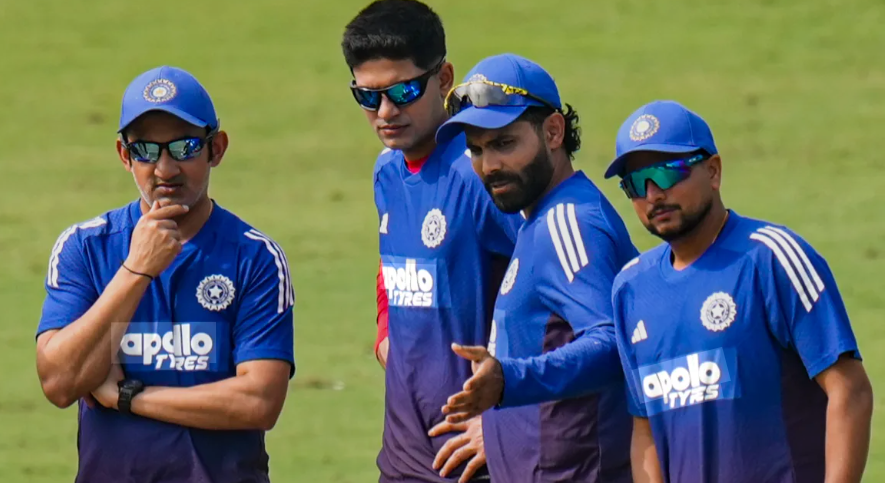
The cricket rivalry between these two international sides has evolved across decades, shaped by changing formats, shifting dominance, and unforgettable performances. From the early days of fast bowling pressure to the modern era of aggressive batting and data driven strategies, every encounter has added depth to this timeline. Fans from both regions have witnessed emotional victories, heartbreaking losses, and iconic individual performances that defined entire series. This rivalry is not just about results but about pride, adaptation, and cricketing legacy. Each match has contributed to a larger story that reflects how the sport itself has transformed over generations while maintaining its competitive spirit.
Latest Matches Table
Tournament
Venue
Date
Toss
West Indies Score
India Score
Result
Series
Player of the Match
T20 World Cup Super 8
Eden Gardens Kolkata
Mar 1 2026
India (field)
195/4 (20 overs)
199/5 (19.2 overs)
India won by 5 wickets
T20 World Cup
Sanju Samson (IND)
Bilateral Test
Arun Jaitley Stadium Delhi
Oct 10-14 2025
West Indies (bat)
248 & 390
518/5d & 124/3
India won by 7 wickets
West Indies in India
Kuldeep Yadav (IND)
Bilateral Test
Narendra Modi Stadium Ahmedabad
Oct 2-6 2025
India (bat)
162 & 146
448/5d
India won by innings & 140 runs
West Indies in India
Ravindra Jadeja (IND)
Bilateral T20I
Lauderhill Florida
Aug 13 2023
India (bat)
171/2 (18 overs)
165/9 (20 overs)
West Indies won by 8 wickets
India in WI T20I
Romario Shepherd (WI)
Bilateral T20I
Lauderhill Florida
Aug 12 2023
West Indies (bat)
178/8 (20 overs)
179/1 (17 overs)
India won by 9 wickets
India in WI T20I
Yashasvi Jaiswal (IND)
Bilateral T20I
Providence Guyana
Aug 8 2023
West Indies (bat)
159/5 (20 overs)
164/3 (17.5 overs)
India won by 7 wickets
India in WI T20I
Suryakumar Yadav (IND)
Bilateral ODI
Brian Lara Stadium Trinidad
Aug 1 2023
West Indies (field)
151 (35.3 overs)
351/5 (50 overs)
India won by 200 runs
India in WI ODI
Shubman Gill (IND)
All-Time Head-to-Head Record Table
Format
Matches
India Won
West Indies Won
Draw / Tied / NR
India Win %
Test
102
25
30
47
24.51
ODI
142
72
64
6
50.70
T20I
31
20
10
1
66.66
Overall
275
117
104
54
42.55
All-Time Batting Leaders Table
Rank
Player
Team
Matches
Runs
Highest Score
Centuries
1
Sunil Gavaskar
IND
48+
2749+
236*
Multiple
2
Sachin Tendulkar
IND
60+
2500+
179
Multiple
3
Shivnarine Chanderpaul
WI
40+
2171+
140
–
4
Virat Kohli
IND
40+
2000+
200
Multiple
5
Rahul Dravid
IND
35+
1978+
–
Multiple
All-Time Bowling Leaders Table
Rank
Player
Team
Matches
Wickets
1
Kapil Dev
IND
25+
89
2
Malcolm Marshall
WI
17+
70+
3
Anil Kumble
IND
20+
44+
4
Ravichandran Ashwin
IND
15+
50+
5
Courtney Walsh
WI
20+
53
Early Encounters and Foundation Years
The beginning phase of this rivalry was shaped by contrasting styles of play and experience levels. One side entered international cricket with strong confidence and aggressive fast bowling, while the other was still developing consistency at the global level. These early matches highlighted the gap in experience but also showed glimpses of potential from emerging batters. The contests were often dominated by pace attacks, making survival difficult for visiting batters. However, these challenging conditions helped build resilience and long term growth. Over time, these encounters laid the foundation for a more balanced competition, as learning from defeats became a key factor in improvement.
1970s Series
Venue Conditions
Dominant Factor
Match Outcome
First Tours
Fast & Bouncy
Pace Bowling
One sided wins
Early ODIs
Mixed pitches
Experience gap
Dominant results
Test Matches
Caribbean pitches
Home advantage
Strong control
Return Tours
Spin challenge
Adaptation
Competitive phase
Era of Fast Bowling Domination
This period is remembered for extreme pace, aggressive field settings, and intimidating bowling attacks that challenged even the best batters. The opposition struggled to cope with short pitched deliveries and relentless pressure. Batters who succeeded during this phase earned huge respect for their technique and courage. Matches were often short in results but intense in competition. Despite the dominance of fast bowlers, occasional counterattacks from experienced batters brought excitement to the contests. This era defined the mental toughness required at the highest level of cricket and shaped future strategies for both teams.
Time Period
Bowling Style
Key Strength
Batting Challenge
1980s Era
Extreme pace
Aggression
Short ball threat
Early 90s
Swing attack
Control
Defensive play
Test Series
Fast tracks
Intimidation
Survival skill
ODI Games
Strike bowlers
Pressure
Quick adaptation
Growth in ODI Competitiveness
As limited overs cricket expanded, matches became more balanced and unpredictable. Batting depth improved, and players began focusing on strike rotation and power hitting. The rivalry started producing closer finishes, with momentum shifting frequently during matches. Fielding standards also improved, reducing easy scoring opportunities. Both teams experimented with batting orders and bowling combinations to gain an edge. This phase marked the transition from dominance to competition, where every match had the potential to go either way depending on key partnerships and death over execution.
ODI Phase
Batting Approach
Key Strategy
Match Style
Early ODI
Defensive start
Stability
Low scoring
Mid phase
Balanced attack
Rotation
Moderate totals
Late 90s
Aggressive play
Power hitting
High scoring
Modern ODI
Flexible order
Data driven
Close finishes
Test Match Battles and Tactical Depth
Long format games between these sides showcased patience, endurance, and strategic planning. Pitch conditions played a major role in determining outcomes, with spin and reverse swing becoming important factors. Captains focused heavily on session control and wicket preservation. Some matches lasted five days with results decided in final sessions, highlighting the competitive balance. Individual brilliance often changed the course of games, especially from all rounders who contributed in both batting and bowling departments.
Test Series
Key Skill
Match Duration
Winning Factor
Caribbean
Pace play
5 days
Bowling depth
Asia Tours
Spin use
5 days
Home advantage
Balanced
Strategy
Full match
Partnerships
Modern Test
Rotation
4-5 days
Field control
Shift in Modern Era Balance
In the modern phase, the overall balance between the teams shifted due to changes in preparation, fitness, and domestic structure. One side developed a stronger bench strength and more consistent top order performance. The other side relied on natural talent and explosive players to stay competitive. Training methods became more scientific, and match preparation improved significantly. Despite differences in consistency, the rivalry remained competitive in shorter formats where momentum plays a crucial role.
Modern Era
Strength Area
Weakness Area
Match Outcome
Team A
Batting depth
Middle overs
Consistent wins
Team B
Power hitters
Bowling unit
Unpredictable results
Both
Fitness level
Experience
Balanced contests
Strategy
Analytics
Execution
Close matches
ICC Tournament Clashes
Global tournaments added extra pressure to this rivalry, as matches often carried knockout implications. Teams approached these games with caution and aggressive planning. Big players stepped up during crucial moments, delivering match winning performances. The pressure of world stage cricket brought out both brilliance and errors, making these encounters highly unpredictable. Fans witnessed dramatic collapses and stunning chases, adding emotional weight to every contest.
Tournament
Pressure Level
Key Moment
Result Pattern
World Cup
Very High
Knockouts
Close finishes
T20 World
Extreme
Powerplay
Fast scoring
Group Stage
Medium
Consistency
Mixed results
Finals
Maximum
Execution
High intensity
T20 Era and Explosive Matches
The shortest format brought new energy into the rivalry. Matches became faster, more aggressive, and highly entertaining. Big hitters dominated the game, while bowlers focused on variations and slower deliveries. High scoring matches became common, with momentum shifting every few overs. Crowd engagement increased significantly, making these contests global entertainment events. The unpredictability of T20 cricket ensured that no match result was guaranteed until the final over.
T20 Phase
Batting Style
Bowling Plan
Match Nature
Early T20
Aggression
Variation
Fast tempo
Mid T20
Power hitting
Death overs
High scoring
Modern T20
Strategy
Analytics
Close games
Leagues
Entertainment
Matchups
Unpredictable
Conclusion
This long standing cricket journey reflects how two teams shaped each other through competition, respect, and continuous evolution. Across different eras, momentum has shifted repeatedly, proving that no side remained dominant forever. The rivalry has produced legendary performances, tactical battles, and unforgettable moments that continue to inspire new generations. Whether in Tests, ODIs, or T20 formats, every contest has carried emotional weight and strategic importance. As the game continues to evolve, this timeline remains a powerful reminder of cricket’s ability to unite passion, skill, and history into one compelling narrative that fans will always remember.