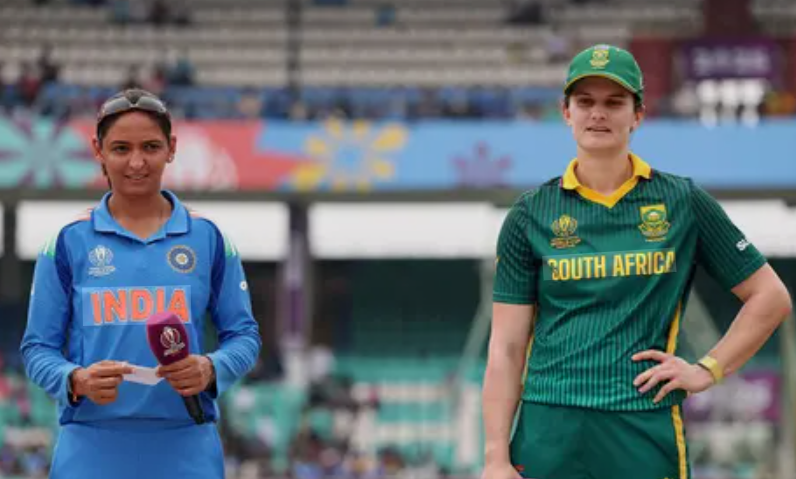
The rivalry between India Women and South Africa Women has grown into one of the most compelling matchups in modern women’s cricket. From their early encounters marked by uneven dominance to today’s closely fought battles, both teams have continuously evolved in skill, strategy, and mental strength. India’s structured batting and spin control often clashed with South Africa’s pace-driven aggression and athletic fielding. Over time, the contests have produced thrilling finishes, memorable partnerships, and game-changing bowling spells. Each encounter added a new layer to the timeline, shaping a rivalry defined by resilience, adaptation, and rising global standards in women’s cricket.
Latest Matches Table
Match
Date
Format
Venue
Winner
Margin
5th T20I
27 April 2026
T20I
Benoni
South Africa
23 runs
4th T20I
25 April 2026
T20I
Johannesburg
India
14 runs
3rd T20I
22 April 2026
T20I
Johannesburg
South Africa
9 wickets
2nd T20I
19 April 2026
T20I
Durban
South Africa
8 wickets
1st T20I
17 April 2026
T20I
Durban
South Africa
6 wickets
World Cup Final
02 November 2025
ODI
Navi Mumbai
India
52 runs
World Cup Group
09 October 2025
ODI
Visakhapatnam
South Africa
3 wickets
All-Time Head-to-Head Record Table
Format
Matches Played
India Wins
South Africa Wins
No Result / Draw
Test Matches
2
2
0
0
One Day Internationals (ODI)
34
20
13
1
Twenty20 Internationals (T20I)
24
11
10
3
All-Time Batting Leaders Table
Player Name
Team
Total Runs
Matches
Highest Score
Laura Wolvaardt
South Africa
1197
44
135
Smriti Mandhana
India
1037
38
149
Mithali Raj
India
882
26
79
Harmanpreet Kaur
India
831
42
103
Mignon du Preez
South Africa
685
32
119
All-Time Bowling Leaders Table
Player Name
Team
Total Wickets
Matches
Best Bowling
Jhulan Goswami
India
34
28
4/24
Deepti Sharma
India
33
36
4/30
Nonkululeko Mlaba
South Africa
26
21
3/15
Shabnim Ismail
South Africa
23
24
4/18
Ayabonga Khaka
South Africa
22
25
3/29
Early Rivalry Foundations
India Women and South Africa Women first crossed paths in a phase where both sides were still shaping their international identity.India relied on structured batting depth while South Africa focused on pace driven discipline and fielding intensity.These early matches were not one sided but India often held control through middle overs stability and better strike rotation.South Africa showed flashes of resistance but lacked finishing power in tight chases.The foundation of this rivalry was built on learning curves rather than dominance as both teams tested strategies in different conditions.The contests slowly began to show balance as South Africa adapted to subcontinent pitches and India prepared for faster overseas tracks.
Aspect
India Strength
South Africa Strength
Key Factor
Batting
Top order stability
Aggressive intent
Consistency
Bowling
Spin control
Pace attack
Variation
Fielding
Structured setup
Athletic coverage
Energy
Strategy
Controlled tempo
Fast transitions
Adaptation
First Competitive Encounters
As the rivalry matured the first competitive encounters brought sharper intensity and closer scorecards.South Africa started reading Indian batting patterns better while India continued to rely on experienced anchors in pressure situations.These matches often swung in middle overs where partnerships decided momentum.Both teams were now aware that small errors could change outcomes and this added pressure created tighter finishes.The improvement in South African batting depth reduced India’s earlier dominance making each contest more unpredictable.
Match Phase
India Approach
South Africa Approach
Outcome Factor
Powerplay
Cautious start
Aggressive bowling
Early wickets
Middle Overs
Anchoring play
Rotation focus
Balance shift
Death Overs
Controlled finish
Risk shots
Pressure
Field Setup
Defensive spread
Attacking lines
Momentum
Batting Structure and Control Phase
India Women developed a strong batting structure built around top order consistency and strike rotation.Their innings often relied on building partnerships rather than explosive starts which helped them post defendable totals.South Africa countered this with improved middle order resilience and the ability to rebuild after early wickets.This phase of rivalry highlighted how batting discipline became more important than raw power.India’s ability to avoid collapses gave them a slight edge in several encounters while South Africa’s counterattacks kept them competitive till the final overs.
Batting Element
India Style
South Africa Style
Impact
Opening
Stable start
Mixed approach
Foundation
Middle Order
Anchoring role
Recovery focus
Stability
Strike Rate
Controlled
Aggressive bursts
Pressure
Finishing
Risk managed
High intent
Variability
Bowling Pressure Strategies
Bowling played a defining role in shaping match outcomes between both sides.India’s spin attack often controlled scoring in middle overs while South Africa relied heavily on pace variations and swing in early overs.This contrast created tactical battles where captains had to adjust quickly to pitch behavior.South Africa’s ability to break partnerships improved over time while India refined death over control.This phase marked the rise of bowling intelligence rather than raw pace or spin dominance alone.
Bowling Phase
India Strategy
South Africa Strategy
Effect
Powerplay
Spin support
Fast swing
Early pressure
Middle Overs
Tight lines
Rotation attack
Control battle
Death Overs
Yorker focus
Pace variation
Finishing edge
Wickets
Build pressure
Surprise spells
Momentum shift
Momentum Shift Encounter
A key turning point in the rivalry came when South Africa pushed India into a final over finish after chasing a competitive total.This match changed psychological balance as South Africa proved they could handle pressure situations against experienced Indian bowlers.The game showcased improved strike rotation and smarter shot selection under stress.India still held tactical strength but South Africa’s confidence grew significantly after this encounter.It marked the beginning of a more balanced rivalry phase where outcomes were no longer predictable.
Segment
India Performance
South Africa Performance
Turning Point
First 10 Overs
Strong start
Wicket loss
Control shift
Middle Phase
Stable build
Recovery phase
Balance
Final Overs
Defensive bowling
Aggressive chase
Pressure win
Result Impact
Learning
Confidence boost
Rivalry change
Pressure Match Dominance Phase
India often regained control in high pressure matches using experience and calm execution under stress.These games highlighted their ability to manage chase situations and defend totals effectively.South Africa improved significantly but occasionally struggled in knockout style pressure environments.India’s senior players played crucial roles in stabilizing innings and controlling game tempo.This phase showed how mental strength became as important as technical skill in deciding match outcomes.
Pressure Area
India Response
South Africa Response
Result
Chase Control
Calm pacing
Aggressive intent
Mixed
Bowling Under Pressure
Disciplined lines
Variation use
Balanced
Fielding Moments
Safe execution
High energy
Equal
Decision Making
Strategic
Reactive
Edge India
All Round Evolution Era
In the modern phase both teams evolved into more complete units with strong all-round contributions.South Africa developed depth in batting and bowling while India enhanced finishing ability and pace options.This era is marked by tighter scorecards and fewer one sided matches.Both teams now adapt quickly to conditions and opposition tactics making every encounter unpredictable.The rivalry has reached a stage where small tactical decisions define outcomes rather than individual brilliance alone.
Area
India Development
South Africa Development
Impact
Batting Depth
Improved finishers
Strong middle order
Balance
Bowling Attack
Pace addition
Spin improvement
Variety
Fielding
Sharp standards
Athletic growth
Equal
Strategy
Adaptive plans
Flexible approach
Modern rivalry
Conclusion
The journey of India Women and South Africa Women reflects a rivalry that has matured through competition, learning, and constant evolution. What once began as one-sided contests has transformed into balanced, high-pressure encounters where small moments decide outcomes. Both teams have developed stronger batting depth, smarter bowling variations, and sharper fielding standards. India’s experience in pressure games and South Africa’s fearless approach continue to push each other forward. Today, this rivalry stands as a symbol of progress in women’s cricket, where every match adds another memorable chapter to an already exciting timeline of competition and respect.